
Newsroom
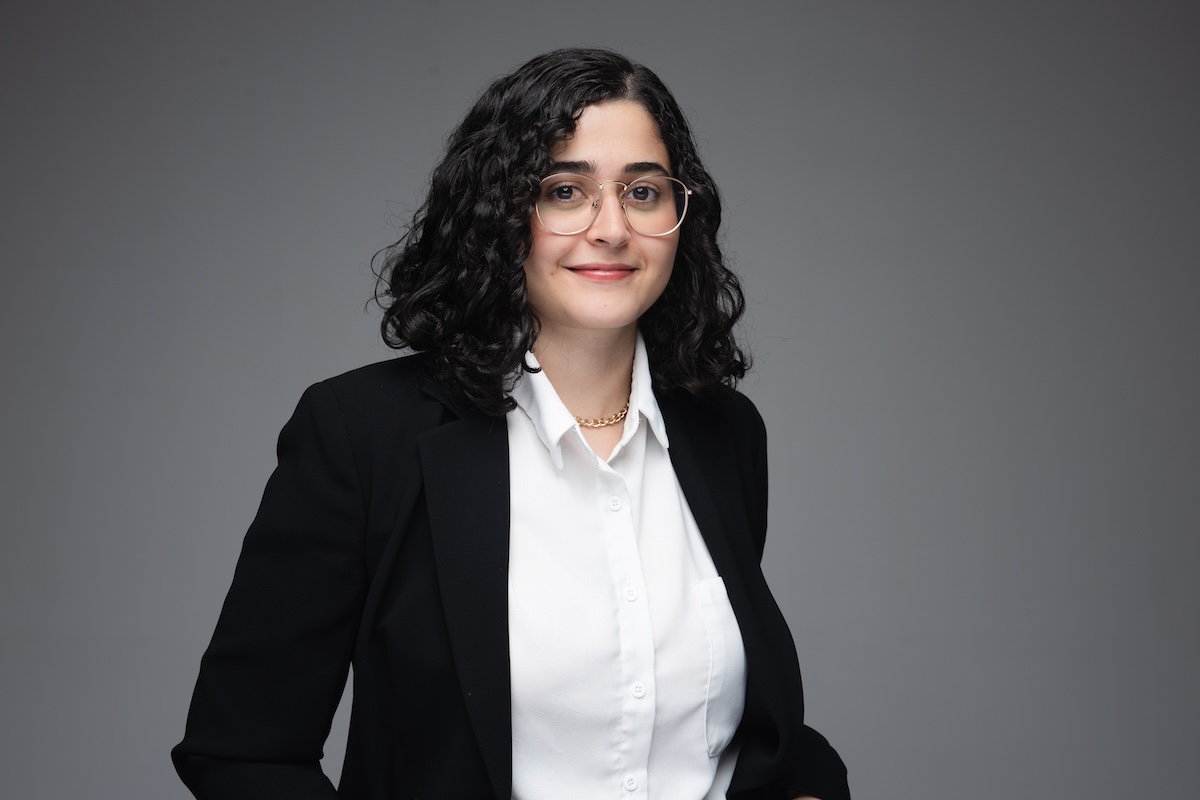
Lindah Sumbati Shirasala Engineers Africa’s Agricultural Data Future
Mar 16, 2026
5 min read
When Lindah Sumbati Shirasala joined Equitech Futures’ Applied Data Institute in 2023, she arrived at a crossroads. The Kenyan scholar had graduated with a background in statistics and programming in 2019, but four years on, the path forward remained unclear. “I used to be so depressed,” she reflects, “because having graduated and not having a way forward, I didn’t know what I really wanted.” The ADI cohort, it turned out, would become the turning point she had been looking for.
Today, Lindah is a Data Engineer at Hello Tractor, a platform that connects smallholder farmers with tractor services to improve access to mechanized farming. She says, “Essentially, it works like Uber for tractors. Farmers can request tractor services through a mobile app or SMS, and Hello Tractor’s network of tractor owners gets matched to those requests." In the span of just two years, she has earned two promotions — moving from data analyst to data scientist and now to data engineer — and plays a critical role in the data infrastructure that powers the company’s operations. Her trajectory is emblematic of the Equitech Scholar who is using her education and network to make a difference.
Finding Her Footing: The ADI Experience
Lindah remembers feeling somewhat out of her depth when she first joined the 2023 Applied Data Institute. Sitting alongside scholars who seemed to move faster through technical challenges, she sometimes wondered whether she belonged. “Sometimes I could feel kind of off,” she recalls. “The faculty could ask some questions, and I was like — this is the first time I’m hearing this.”
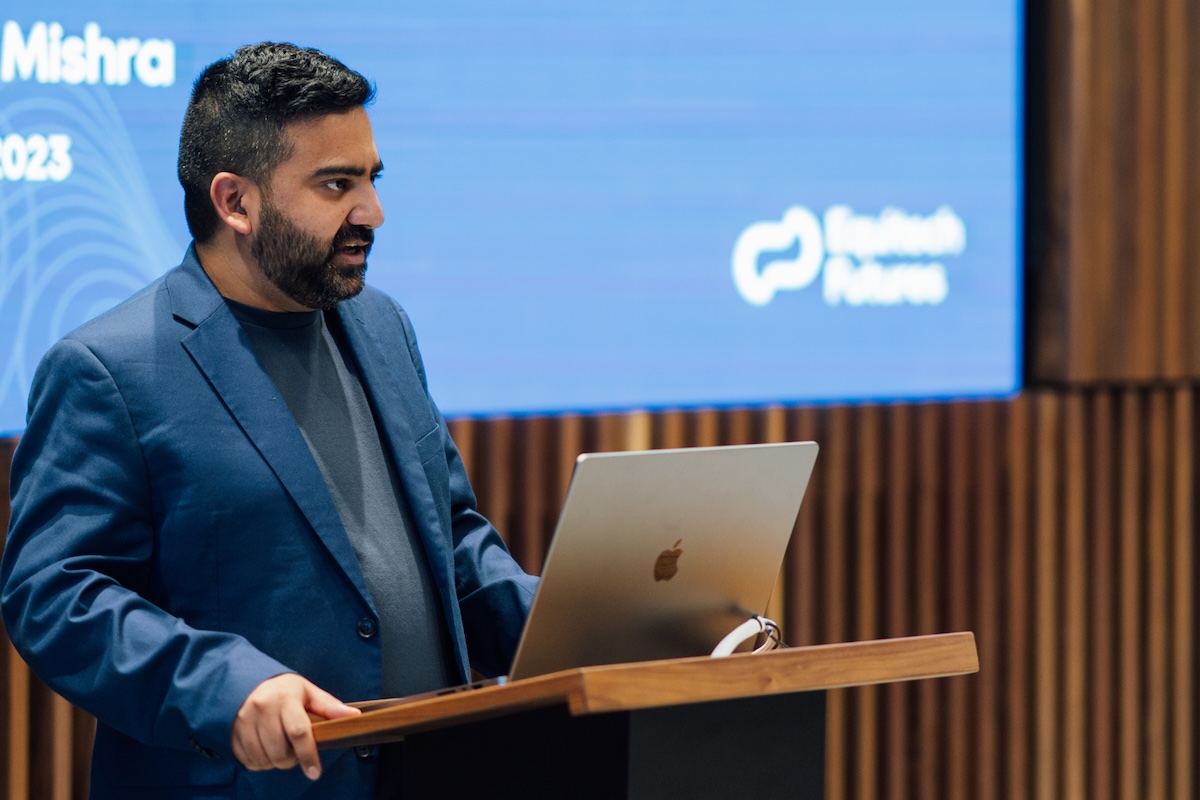
Yet rather than retreating, she absorbed everything around her as raw material for growth. The program’s structure — evening classes in the Kenyan time zone, collaborative project work, writing labs, communication workshops, and Abhilash Mishra’s course on AI impact — left an impression that has stayed with her ever since.
“Any time I left that class, I used to go back and think to myself — what were we doing? I used to reflect.”
The communication and writing skills developed in the Applied Data Institute turned out to be just as foundational as the technical ones. “You have to speak eloquently. The way you present your work to stakeholders and business people matters,” Lindah explains. When she later began advancing through roles at Hello Tractor, those skills were indispensable.
The Applied Data Institute also gave Lindah a sharper sense of what she needed to learn next. Upon completing the program, she enrolled in four additional courses — two sponsored by Kenyan banks, one through ALX — deliberately building the data analysis skills she felt she lacked. “I said, for me to build my career, I have to start from data analysis. How does it work? How do I shape stories from my data?” That intentional, methodical approach to self-development would set the tone for everything that followed.
Hello Tractor: Data at the Heart of Agricultural Impact
Hello Tractor is an agri-tech company focused on mechanization for farmers across Africa. Its mission is to ensure that farmers — from smallholders to larger operations — can access tractors, sprayers, and harvesting equipment precisely when they need them, at prices they can actually afford.
The company operates through a network of booking agents who serve as intermediaries between the platform and farming communities. For smallholder farmers who cannot afford to purchase equipment outright, Hello Tractor offers a pay-as-you-go loan management system: farmers pay incrementally as they work, making mechanization economically accessible in a way it simply had not been before.
“We want to make sure that farmers get connected to tractors so that their land can be prepared early, they can do harvesting early — and they can get good yields at the end of the day.”
Lindah’s role as Data Engineer sits at the center of all of this. “When things go down, that’s when it’s my time to come in,” she says. She is responsible for building and maintaining the data pipelines — the databases and infrastructure that carry information from Hello Tractor’s backend systems all the way to the analysts, scientists, and dashboards that inform every business decision the company makes. “If anything fails,” she explains, “then the data scientist will not get it, and the data analyst will not get it — because they can’t query the data, they can’t fetch anything.”
The weight of that responsibility is something Lindah embraces. “It feels good, because I am a person people rely on. It brings out that competence — I have to be on top of my game.” The pressure is real, she acknowledges, but so is the reward of knowing that her work underpins services reaching farmers across the African continent.
One of her early contributions at Hello Tractor illustrated this vividly. Just two weeks into the job, the team was building a predictive model to identify where tractor demand would be highest — weighing rainfall patterns, weather conditions, and agricultural cycles. The dataset needed didn’t yet exist. Lindah sourced and prepared it. When she delivered ahead of schedule, her manager publicly recognized her work in front of the team. “That’s what elevated me,” she says. “I was like — yeah, I can do this, even if I’ve never been in this job market before.”
The Power of Mentorship: Accelerating Through Relationships
Considering her fellowship at Equitech Futures and her career at Hello Tractor, mentorship has been a constant thread. Lindah speaks about it not just as a beneficiary, but as someone who now actively pays it forward — she currently mentors students in data skills through a program called Everything Data.
She traces her understanding of mentorship directly back to the Applied Data Institute. The faculty’s approach — grouping students with different strengths, checking in regularly on their progress, and offering constructive feedback rather than judgment — modeled something she had rarely experienced before. “You didn’t know what was my strength or [my colleague’s] strength,” she says of the faculty, “but you brought us together, and you kept checking: where’s the progress? How can we help?”
“Having that person who directs you, and gives you feedback — and the feedback is always encouraging, no matter what you are doing — that is what accelerates you. It exhilarates you.”
What stands out most to Lindah is not the scale of the feedback, but its orientation: good mentors focus not on what you’re doing wrong, but on how to redirect your efforts constructively. “They are not like, 'no, you should not be writing this.' They give you encouraging feedback — you can use this way, you can turn this way, and things will get done.”
At Hello Tractor, she found that same culture of support. When she arrived with limited professional data experience, her managers and supervisors were invested in her growth — celebrating her early wins publicly and backing her advancement when opportunities arose. She is keenly aware that this is not a given in every workplace. “There are a lot of work groups where it’s very top-down,” she observes. “Here’s what you need to do. Only come to me if you’ve got a problem.” Hello Tractor, she says, has been different — and that difference, in her view, is also a testament to the kind of organization it is.
AI as Accelerant: Using Technology Responsibly
For a data engineer working in a fast-moving agri-tech company, AI tools have become a daily reality. Lindah is enthusiastic about what they enable — and thoughtful about how they should be used.
The efficiency gains are tangible. “The time it takes you to do something has reduced,” she says. “You could sit 24 hours looking for a bug in your code, and you can’t get it, but AI has made progress easy and fast.” The applications are broad: from debugging code to processing transcripts and structuring research notes, AI is compressing work that once consumed entire days.
“AI came to leverage our work — it’s so fast. But as human beings, we need to use it well and responsibly.”
But Lindah is equally clear-eyed about the risks. She points to a post she read on LinkedIn describing a company that had used an AI tool and inadvertently wiped their entire database — with no backup in place. The lesson, for her, is not that AI is dangerous, but that the humans wielding it must remain in command. “I have to prompt it well, let it do the work — but it doesn’t come to replace my human intelligence. I have to make sure what it’s giving me is what I actually need.”
In her framing, AI is a force multiplier for human skill, not a substitute for it. Having the technical grounding — knowing what a good pipeline looks like, understanding what your data should contain — remains the essential precondition for using AI responsibly. The education she received at Equitech Futures, and the years of deliberate upskilling that followed, are precisely what allow her to use these tools well.
Building the Foundation
When asked what Lindah holds onto most from her time in the Applied Data Institute, her answer came in the form of a metaphor that captured something important about community and continuity.
“When we joined Equitech, it’s like we entered a house that you had already started building. We came as bricks and sand and cement. Being part of that community, we have to continue being there so that the building stays strong — because when we move away, the building could collapse.”
It speaks to something Lindah feels personally. At times, the demands of career-building and a busy professional life hasn’t afforded as much time to connect with the Equitech Scholars network as she would have liked. But reconnecting - even after some time away - was nourishing. “I’ve told myself this year I have to come back strong,” she says. As an alumni ambassador, she is eager to see more Kenyan scholars joining the network in the years to come.
From a data analyst who once doubted her place in the field to a data engineer whose work reaches farmers across Africa, Lindah’s journey is a testament to what becomes possible when education, mentorship, and personal determination align.
Written by


More articles

.jpeg)
Newsroom
From Minister of Information to the UN: Aicha Thiendella Fall’s Journey into Global Security












Newsroom
Otieno Collins Junior Reflects on His Journey from Capstone Project to Prize-winning Startup


.webp)




.webp)


.webp)


.webp)
Newsroom
No Innovator Left Behind: How Equitech Futures uses philanthropic capital to maximize impact


Newsroom

.webp)


.webp)

.webp)


.webp)


.webp)


.webp)


