Newsroom
Shivang Thakor is building the conditions for children to love reading
Apr 12, 2026
5 min read
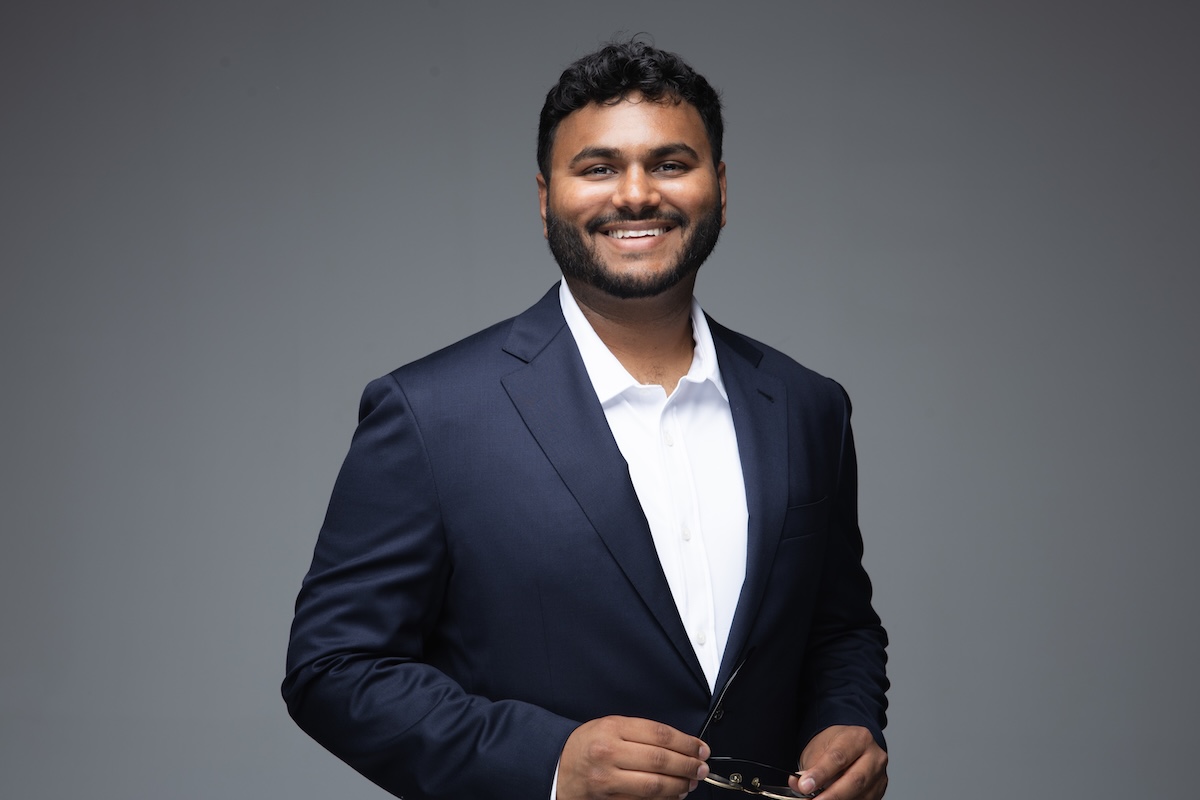
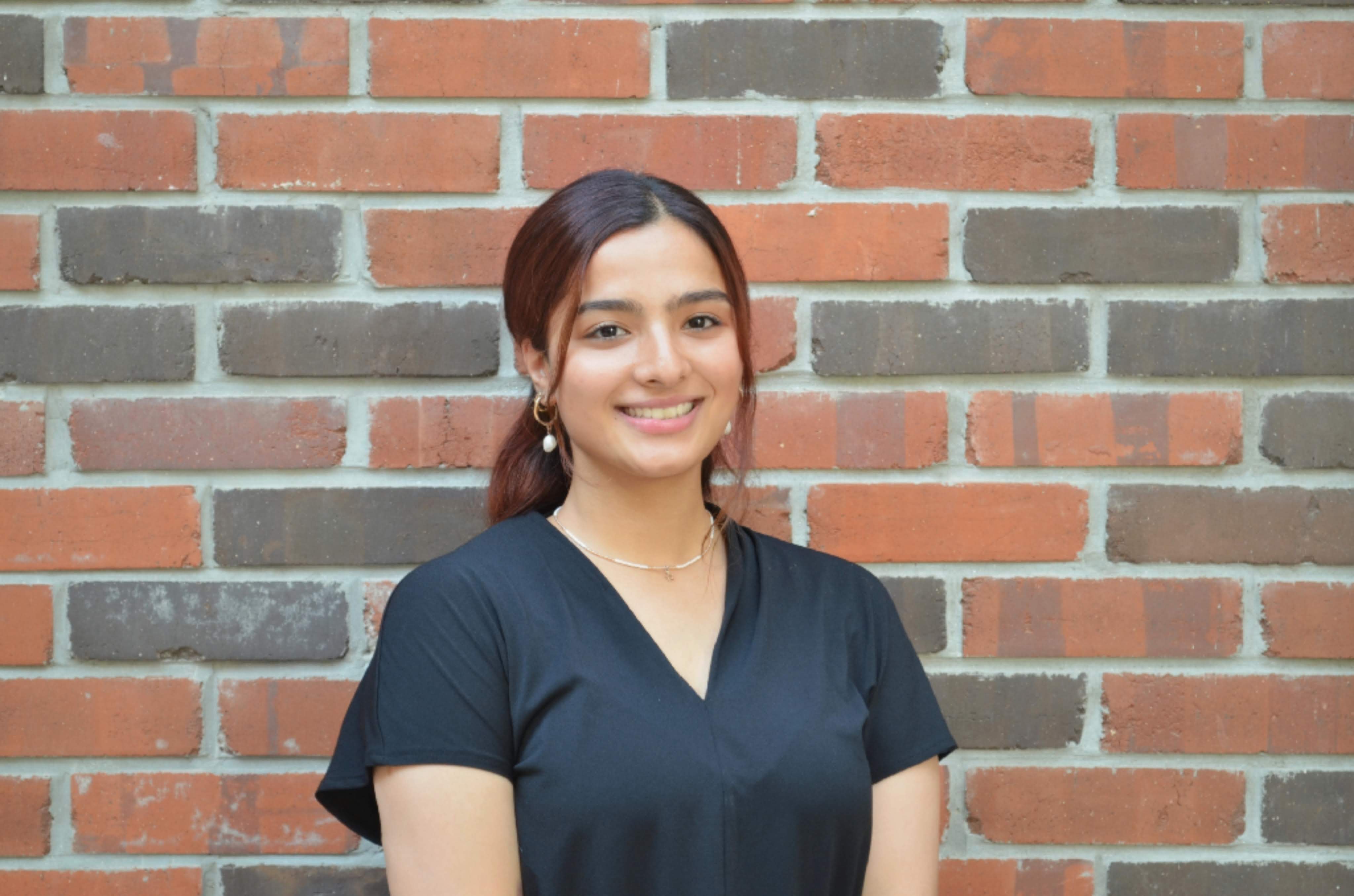
When Shivang Thakor attended the NSpire Startup Slam in January 2025, he was just an attendee. A 24-year-old New Orleans native, he had recently returned home after graduating from the University of Notre Dame on a full tuition scholarship from the Posse Foundation. He watched founders compete for $100,000 in funding and felt something click. "I felt like I could be on that stage," he recalls. He couldn't have known then that the very marketing materials for the organization running that event would, months later, feature his face — or that he would soon be one of the teammates running the program.
That convergence of preparation and serendipity has become something of a throughline in Shivang’s story. Today, he serves as the STartUP Northshore Program Manager for the St. Tammany Economic Development Corporation, supporting entrepreneurs and small businesses across three parishes of the greater New Orleans area. He also co-founded Storia, an interactive children's reading platform built around immersive soundscapes and expressive narration, alongside co-founder Akintunde Pounds. And in the summer of 2025, he joined the Equitech Futures Institute — an experience that, arriving at just the right moment, helped sharpen and accelerate both.
Building Storia: From Personal Insight to Literacy Platform
The seed of Storia was personal. As a middle schooler, Shivang had instinctively paired his reading of Romeo and Juliet with Pachelbel's Canon in D. The music made him want to read. Years later, studying business analytics at Notre Dame, he began to see that intuition as something scalable — that words are data, and that the conditions surrounding how a child encounters a text matter as much as the text itself.
He brought that idea to Tulane University Innovation Institute's Startup Sprint 2025, where the product found its name. The early concept was broad, but it sharpened through conversations with teachers, parents, and eventually his co-founder Akin, a parent who immediately recognized what the platform could do for children who struggle with reading.
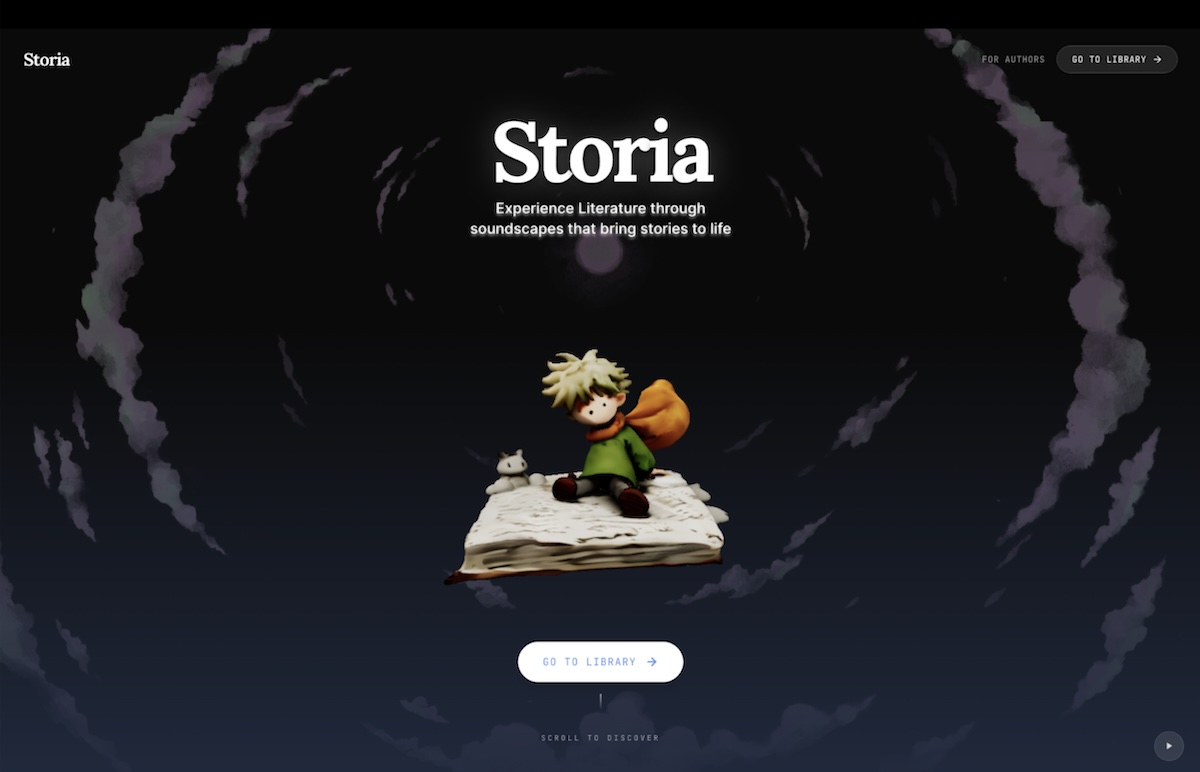
Storia now operates on three interlocking pillars. The first is engagement: the hypothesis that for many struggling readers, the barrier isn't decoding ability but the absence of conditions that make reading feel inviting. Ambient soundscapes — rain falling in a rainforest scene, an energetic tune at the start of a race scene — are designed to crowd out distraction and draw children into the world of a story. The second pillar is literacy development: word-by-word highlighting, tap-to-hear pronunciation, and vocabulary support rooted in science-of-reading principles. The third, and most philosophical, is relatability and empathy. "As educators, as builders," Shivang says, "we cannot assume what the meaning is for the child. We can only create the conditions for them to access that meaning."
That last pillar comes alive in Kumu's Sky, a Storia original that Shivang authored himself. It follows Kumu, a cumulonimbus cloud searching for his place in the sky — but unlike Rudolph the Red-Nosed Reindeer, which Shivang cites as an inspiration and a foil, there is no antagonist, no bullying reindeer. The opposition force is Kumu's own insecurity. "We're not invalidating that you can feel that," Shivang explains. "Yes, you feel down. But others can still celebrate you when you're down and when you're up." When Storia demoed at a local school and a child asked whether the other clouds were bullying Kumu, it was a live demonstration of the platform's core theory: that meaning is not assigned, it is discovered.

The data behind the mission is sobering. Nearly 70% of fourth and eighth graders in the United States perform at or below the NAEP proficiency level. Louisiana, meanwhile, has the highest rate of ADHD diagnoses in children and adolescents in the country. Shivang is building something close to home, for a population he knows well.
The EFI Inflection Point
Storia was already in motion when Shivang arrived at the Equitech Futures Institute in the summer of 2025. He arrived with a product, a co-founder, and a direction — but also with questions he hadn't yet had the space to sit with. He had been in the trenches of early-stage building, and EFI offered something different: structured time with peers from around the world who were each wrestling with their own versions of how technology could create social good.
The conversations with EFI faculty helped him see the literacy platform in a wider frame. "Part of our hypothesis is that a lot of literacy approaches are trying to tell kids, 'here are reading practices, here are drills,'" he explains. "What we're testing is: perhaps it's not that the kid can't read. It's that their conditions aren't right."
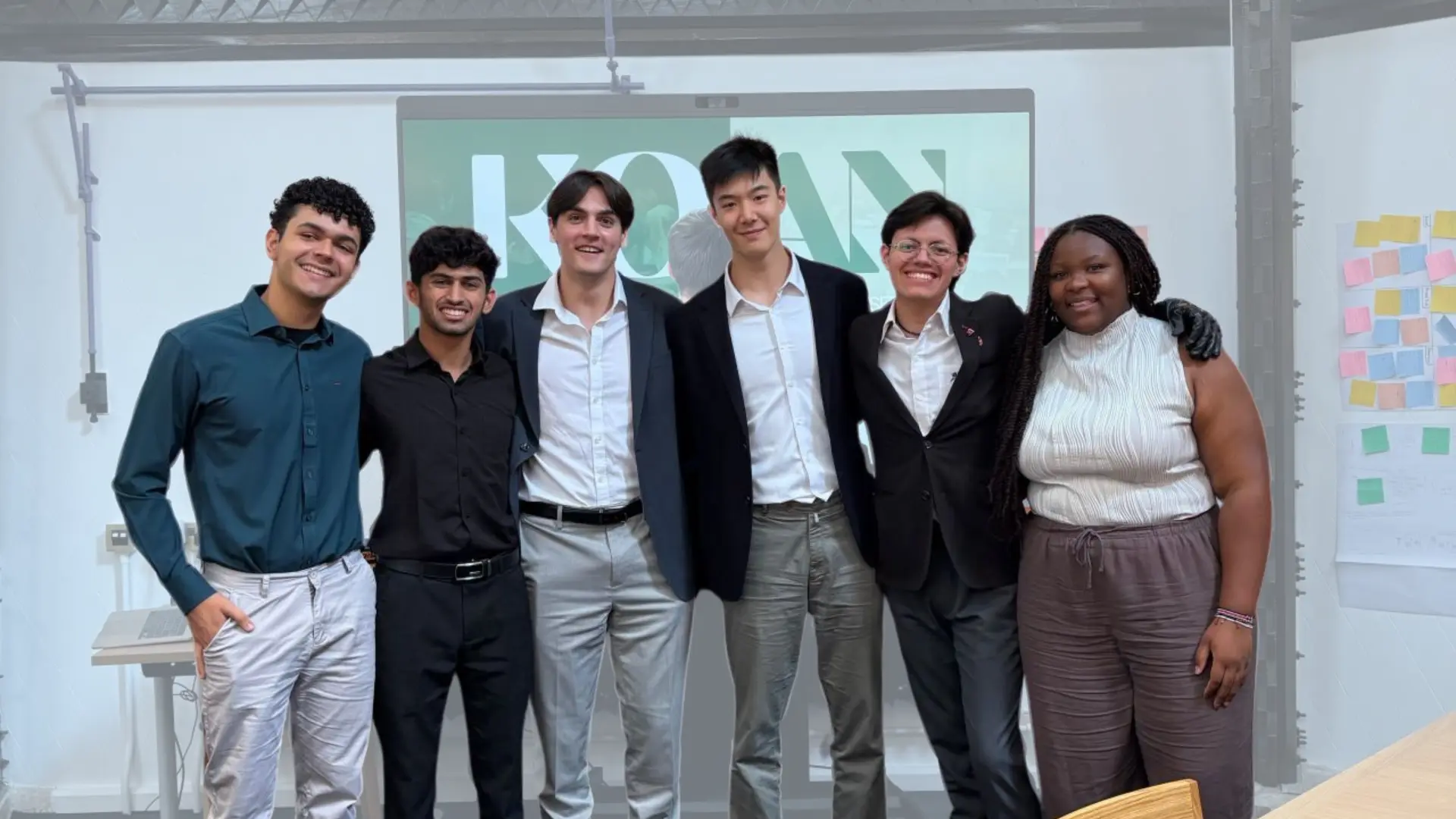
Together with a team of Equitech Scholars from Macau, South Sudan, and the United States, they honed in on a related intractable problem: malnutrition. Over four weeks in the Equitech Futures Institute, Shivang and team launched a venture, Oasis, which systematized an increase in cultural dietary options at urban food pantries. Through the customer discovery process, they learned something essential. Many children face learning challenges because they do not have access to healthy food. How can we expect children to learn if they are constantly in survival mode? He realized his work on Oasis has a symbiotic relationship with Storia's mission to enfranchise child development.
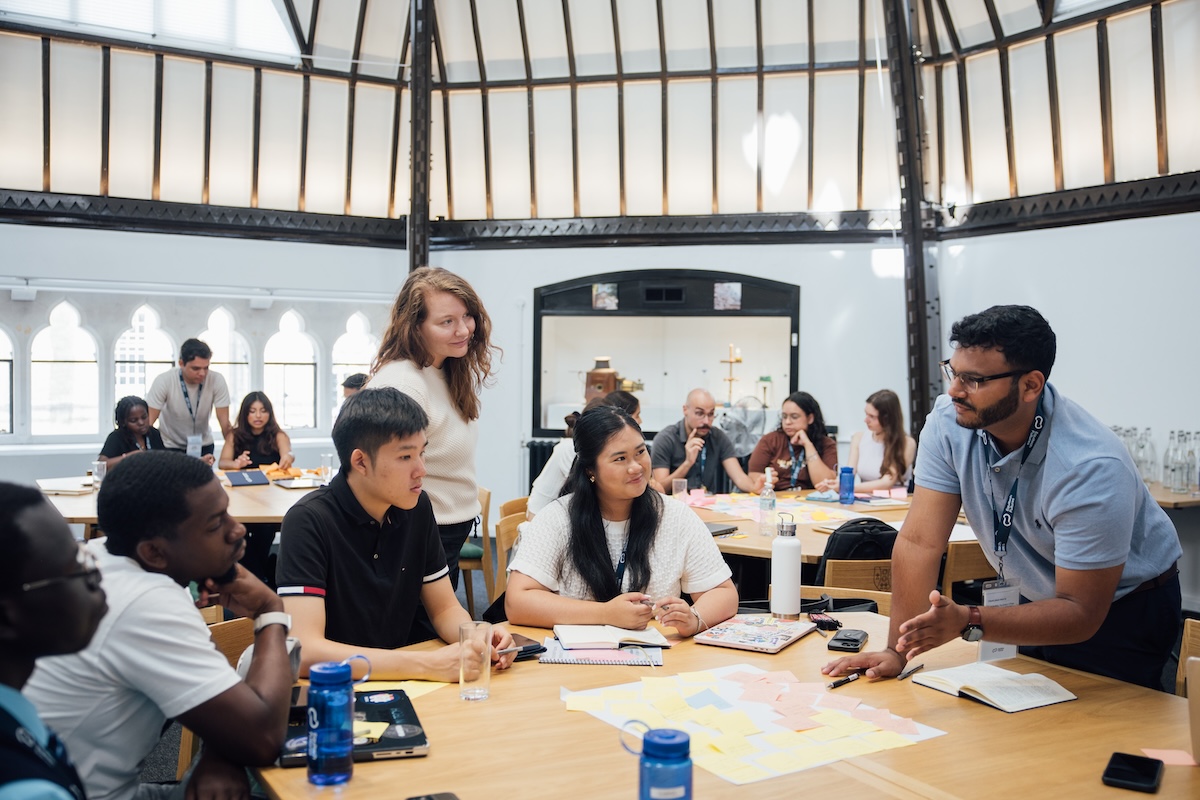
But what Shivang reflects on most is what he didn't expect to get from EFI: community. "I thought I would lock myself up in a library all day," he says with a laugh. "What I ended up being most grateful for were the conversations with my peers." The cohort's intellectual diversity — builders and thinkers hailing from radically different geographies and contexts — turned out to be exactly the kind of environment where a founder's thinking can stretch. "Everyone can inspire each other," he says. "Everything is so changing. Being surrounded by others in that time — that's the real thing."
After the institute, the conditions he had been building toward at home were finally in place. He received a message about the STartUP Northshore role — and discovered that he had been in the marketing materials for it since January, photographed at the very pitch competition that had first sparked his entrepreneurial ambitions in New Orleans.
Rooting Ambition in Home
Shivang is thoughtful about what it means to come back. The conventional pipeline after graduating from a school like Notre Dame runs through Chicago, New York, and the San Francisco Bay Area. He took a different path, one rooted in the conviction that building in New Orleans — his city, the one that shaped him — carries its own honor. "The very same ecosystems everyone can think of all day long: it took leaders to build those," he says. "I see my ecosystem growing. And yes, there are growing pains, but it's its own honor to play my small part in that, both as a founder and as an ecosystem builder."
As Program Manager at STartUP Northshore, he does that work daily: running technical assistance workshops, connecting founders to mentors, coordinating programming with accelerators like The Idea Village, and meeting entrepreneurs one-on-one to help them think through financial statements, customer psychology, and next steps. The same skills he's cultivating in Storia's young readers — curiosity, persistence, the confidence to keep going — are the ones he's nurturing in the founders he serves.
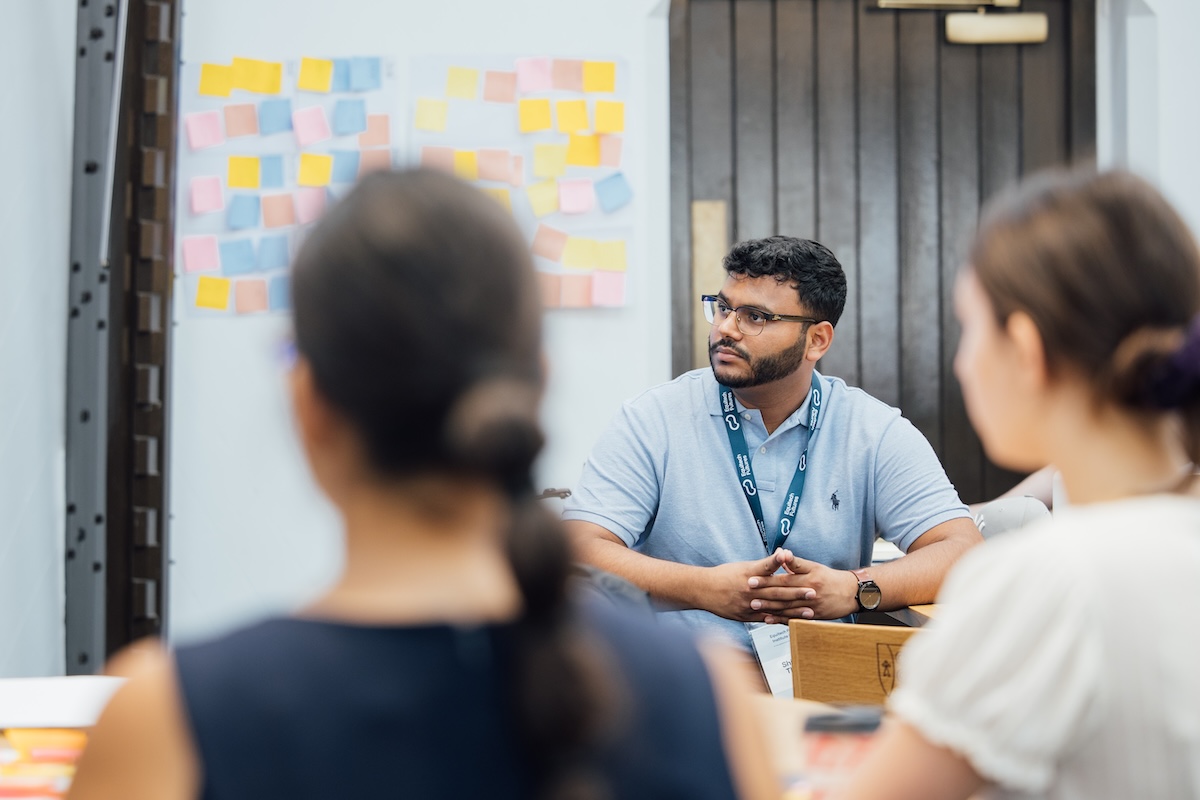
For anyone considering applying to the Equitech Futures Institute, Shivang has a simple but hard-won piece of advice: don't treat it only as a curriculum. "Remind yourself actively that you're in a cohort of people from all over the world who have all sorts of ways of solving problems," he says. "Being open to listening can do wonders. Having that community is absolutely beautiful. Cherish that."
He speaks from experience. The Equitech Futures Institute didn't give him Storia. But it helped him understand what Storia could become.
Written by


More articles
.jpg)

.jpeg)
Newsroom
From Minister of Information to the UN: Aicha Thiendella Fall’s journey into global security














Newsroom
Otieno Collins Junior Reflects on His Journey from Capstone Project to Prize-winning Startup


.webp)




.webp)


.webp)


.webp)
Newsroom
No Innovator Left Behind: How Equitech Futures uses philanthropic capital to maximize impact


Newsroom

.webp)


.webp)

.webp)


.webp)


.webp)


.webp)


