Newsroom
Abhilash Mishra calls for cross-generational AI leadership at APEC Silicon Valley Forum
Jun 9, 2026
5 min read
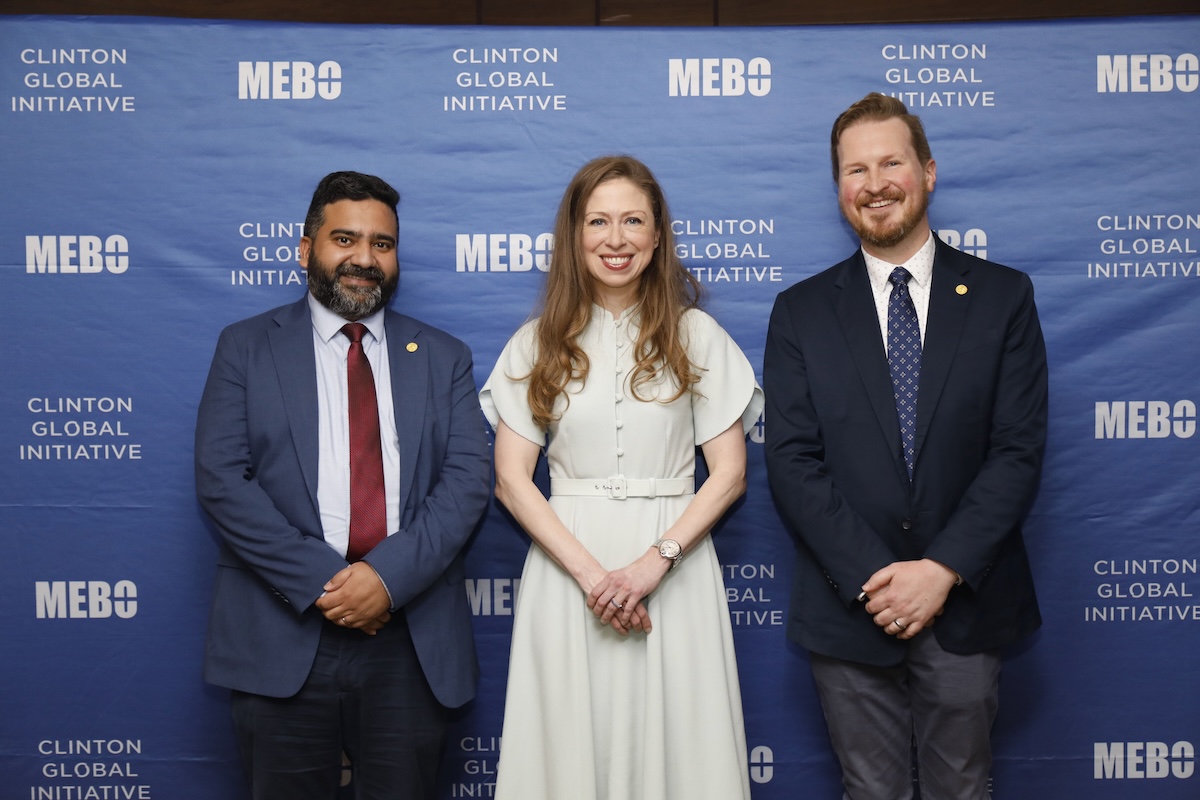
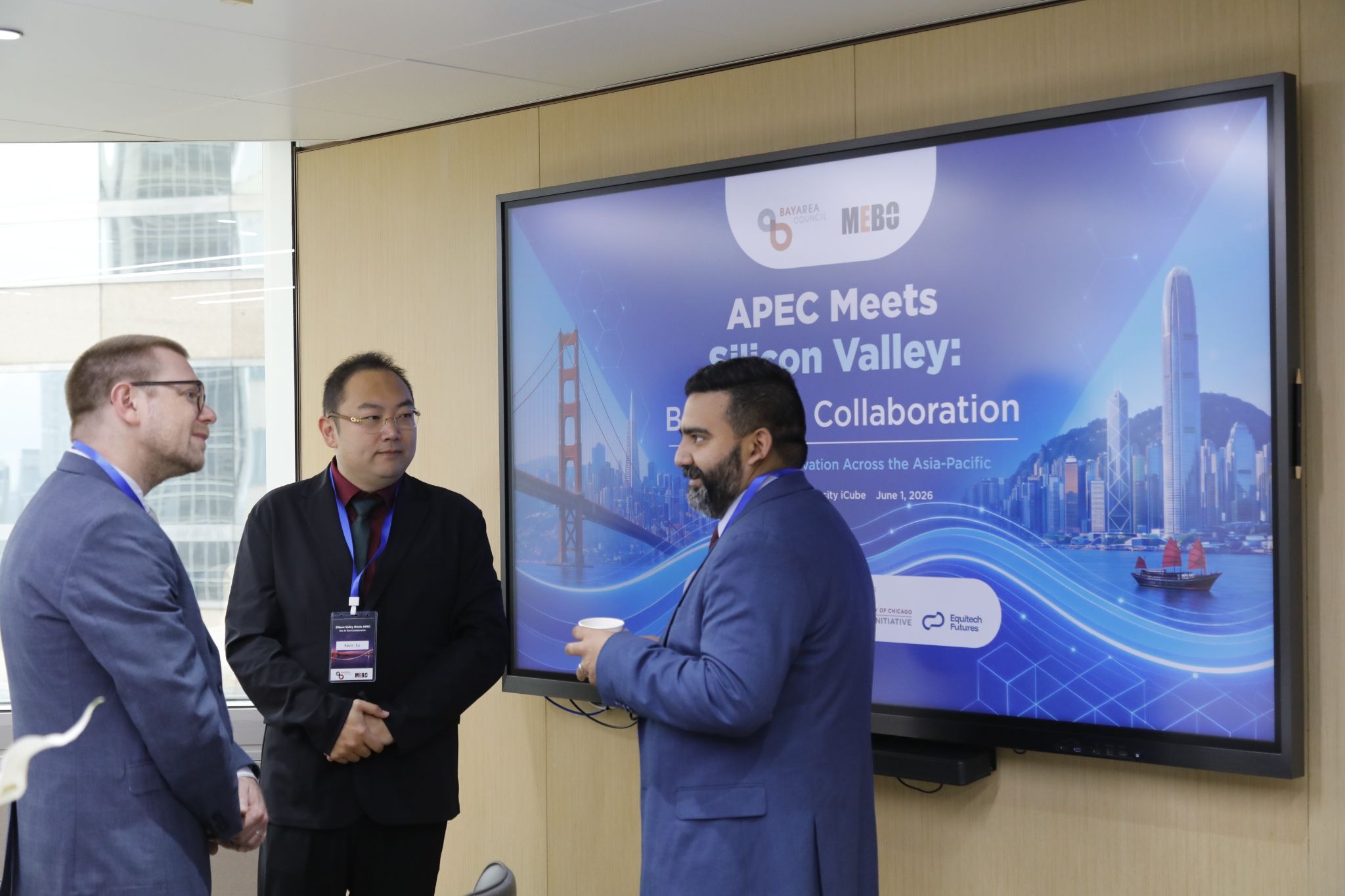
A day of wide-ranging dialogue on AI, human development, and regional collaboration, followed by a fireside chat with Dr. Chelsea Clinton, marked the fourth annual APEC Meets Silicon Valley Forum on June 1, 2026 in Hong Kong. Organized by MEBO International and the Bay Area Council in collaboration with the Kevin Xu Initiative at the University of Chicago, the Clinton Global Initiative, and Equitech Futures, the event brought together innovators and civic leaders from across the Asia-Pacific and beyond, and underscored the growing convergence between the global health and technology communities.
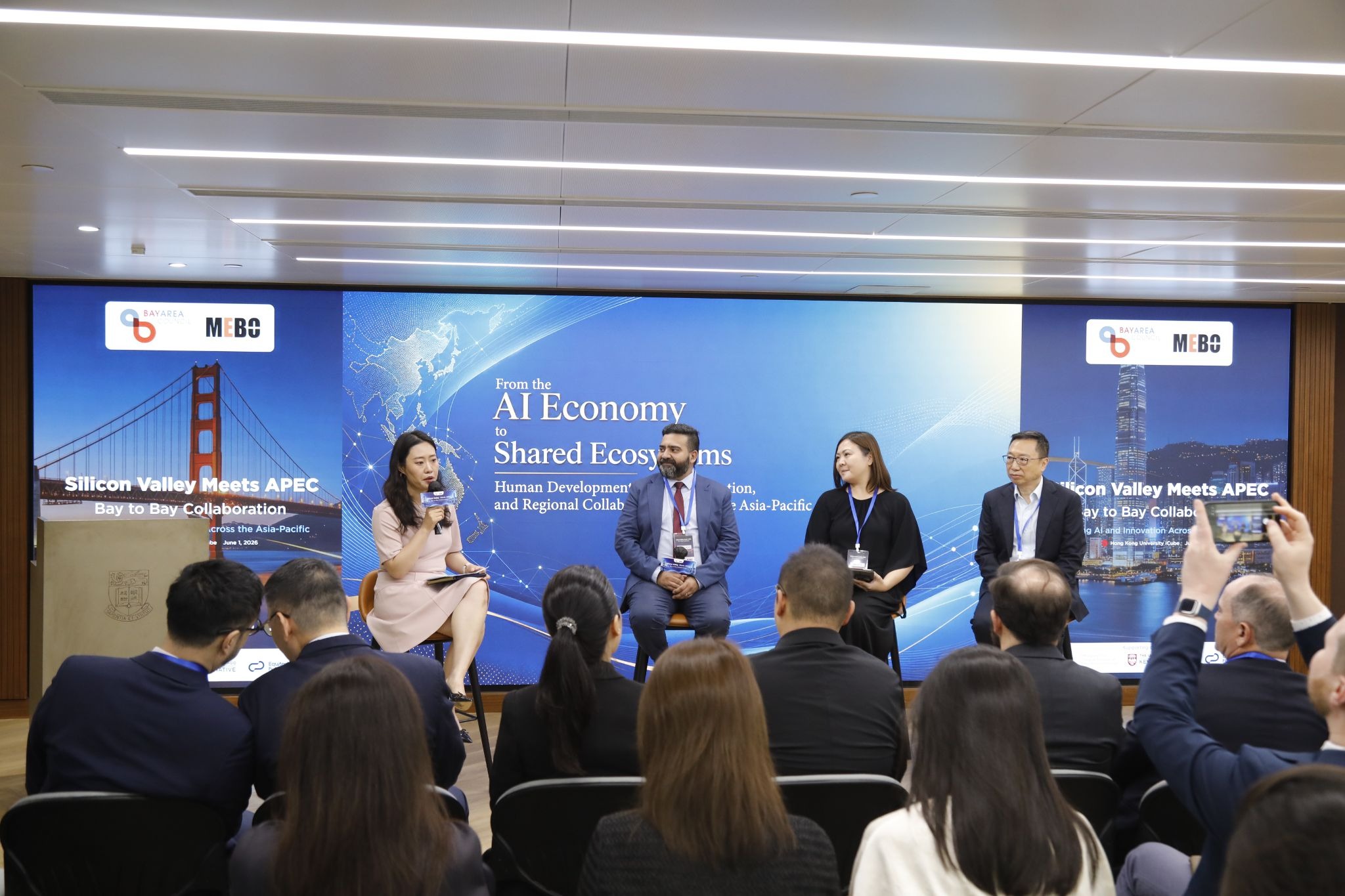
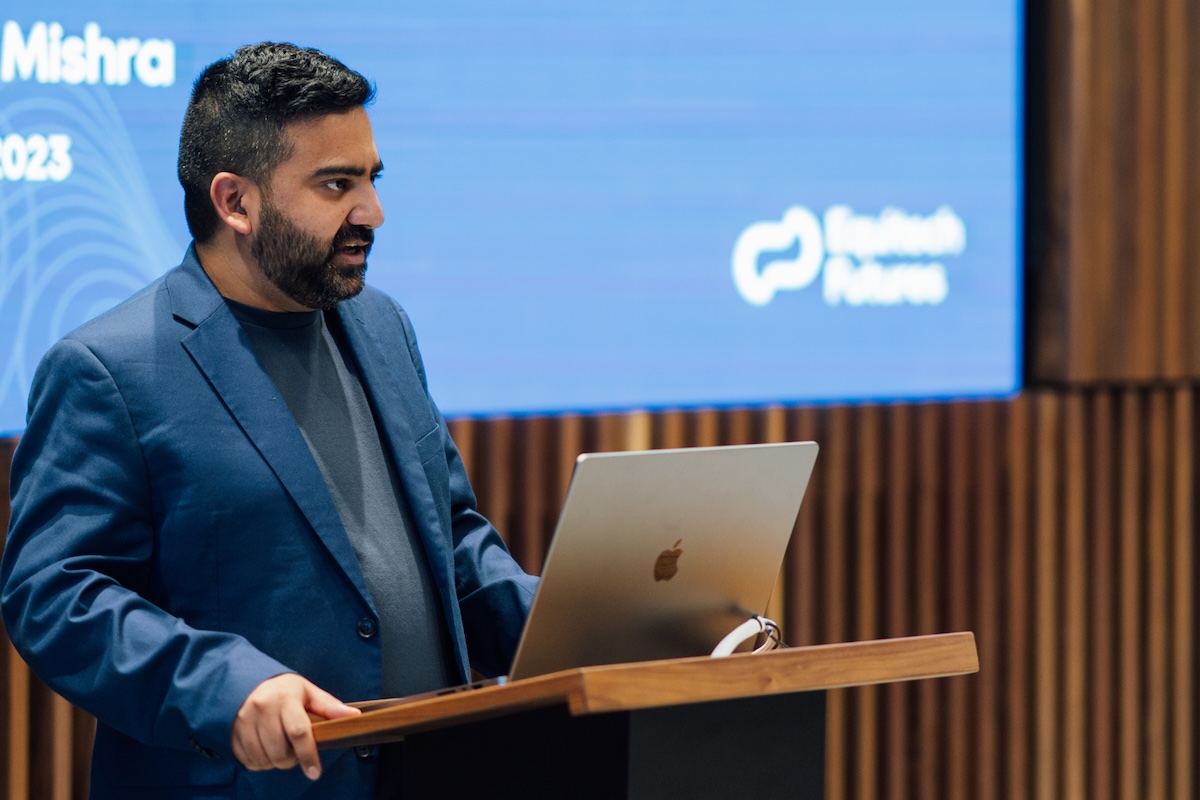
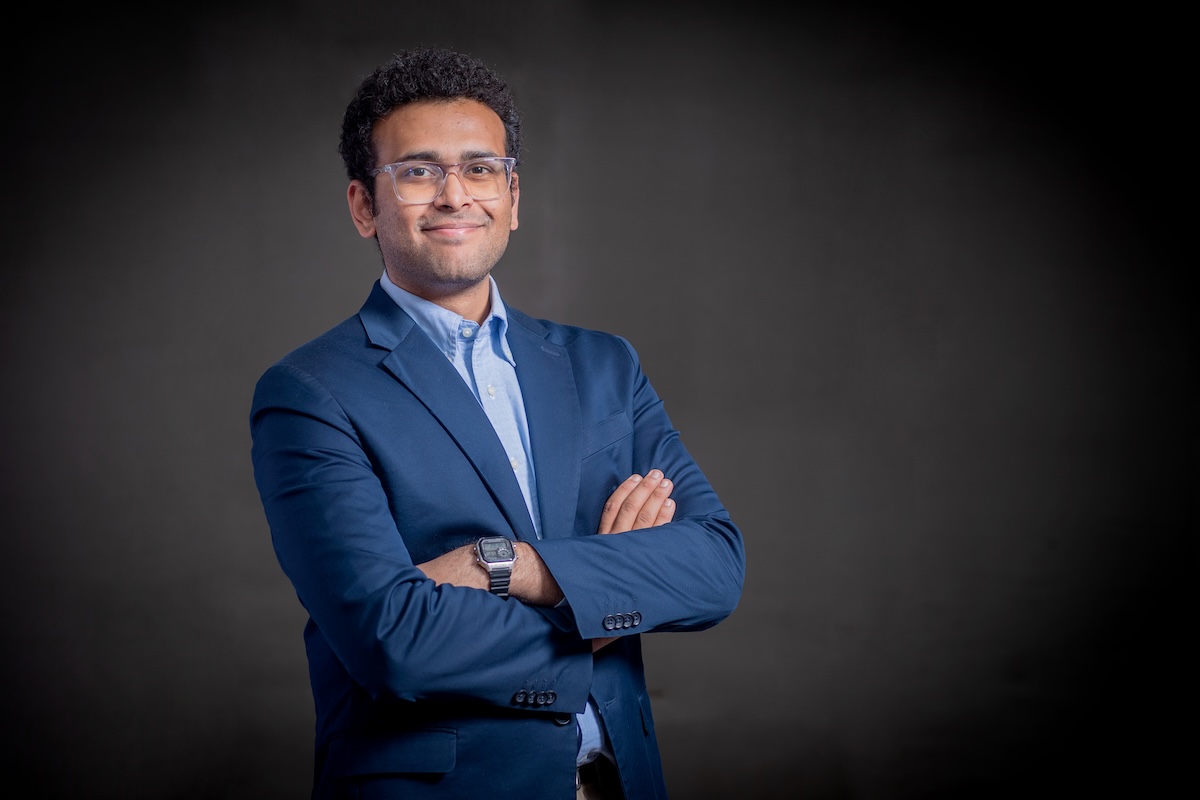
During the forum, Dr. Abhilash Mishra, Founder of Equitech Futures, participated in a panel at the Hong Kong University (HKU) iCube, joining Ms. Bernice Yu of the HKU Jockey Club Enterprise Sustainability Global Research Institute and Mr. Chun-yuan Chiang of the Digital Health Global Initiative Foundation for a session entitled "From the AI Economy to Shared Ecosystems." Moderated by Xiaoxiao Chen, Director of International Affairs at MEBO International, the panel examined how Asia-Pacific economies can move from AI-driven transformation toward stronger institutions, broader opportunities, and more collaborative regional futures.
A Skills Crisis a Century in the Making
Dr. Mishra opened with a sweeping historical lens, tracing a century of economic transformation to illuminate the scale of what lies ahead. The United States shifted from 40% agricultural employment at the turn of the 20th century to just 2% today — a wrenching transition that now must be replicated at two to three times the scale, in a far more interconnected global economy.
"The policy focus of increasing schooling did not quite translate to the really relevant metric, which was learning outcomes," Dr. Mishra observed, citing World Bank data showing that roughly half of eighth-grade students in India cannot perform second-grade mathematics. For the AI age, basic numeracy and literacy are no longer sufficient. The urgent need is for higher-order problem-solving and critical thinking and the institutional infrastructure to deliver them at unprecedented scale.
The stakes could not be higher. As World Bank President Ajay Banga has warned, some 800 million people will enter the global workforce over the next five to ten years, with only around 400 million jobs projected to be created. "We have a skills problem and a jobs problem that we need to solve for together," Dr. Mishra said. "That is the central problem that keeps me up at night."
Rethinking Who Sits at the Policy Table
When the conversation turned to policy innovation, Dr. Mishra argued that the conventional model of senior officials drafting rules in relative isolation is no longer adequate in a fast-moving AI landscape. Through Equitech Futures and the Kevin Xu Initiative at the University of Chicago's Harris School of Public Policy, he has focused on supporting emerging innovators and building global cooperation networks, ensuring that young people most affected by technological disruption have a genuine voice in shaping the policies that govern it.
"We cannot work in an environment where the policymakers are a group of people sitting in D.C. or Hong Kong or New Delhi," he said. "It needs to be a much more inclusive, cross-generational way of shaping policies." Closing the panel, he distilled that mission plainly: "True shared progress, as I see it, depends on enabling emerging entrepreneurs to translate the benefits of AI and other emerging technologies widely and make it more inclusive and equitable. Without that, I think we'll end up in a world that is more fractured and distressed."

From the Panel to the Clinic: The Equitech Alumni Connection
The evening's encounter with Dr. Chelsea Clinton added a vivid dimension to that vision. In conversation with Brian Calle, Chief Creative Officer at Paper Media, Dr. Clinton discussed her podcast That Can't Be True, which champions greater engagement between scientists and the public to counter misinformation – an ethos that resonates directly with Equitech Futures' own mission. She also spoke about the Clinton Health Access Initiative's work in India, where AI-enabled handheld chest X-ray machines are being deployed to screen for tuberculosis in remote areas across eleven states.
That work has a direct connection to the Equitech Futures community. Sanya Pawah, a civil engineer who attended the inaugural Civic Tech Institute in 2023, worked closely with that national-level tuberculosis screening program at the Clinton Foundation. "I came to Equitech with minimal knowledge about AI and how it can be leveraged in the development sector," Pawah said in a 2024 article. "Now I am spearheading a national-level tuberculosis screening program under the Clinton Foundation that is streamlining diagnosis and expanding healthcare access." Her trajectory from Equitech Scholar to the frontlines of AI-powered public health is precisely the kind of cross-sector impact Equitech Futures was founded to catalyze.
Written by

More articles
.jpg)
.jpeg)
Newsroom
From Minister of Information to the UN: Aicha Thiendella Fall’s journey into global security











Newsroom
Otieno Collins Junior Reflects on His Journey from Capstone Project to Prize-winning Startup


.webp)




.webp)


.webp)


.webp)
Newsroom
No Innovator Left Behind: How Equitech Futures uses philanthropic capital to maximize impact


Newsroom

.webp)


.webp)

.webp)


.webp)


.webp)


.webp)


