
Newsroom
Auxo Health is going after the paperwork that's sinking small medical practices
Oct 28, 2026
5 min read
This piece is part of a series on the finalists of the 2026 Kevin Xu Innovation Challenge. This year's challenge asked applicants: as AI becomes more embedded in everyday life, how do we ensure it strengthens the capacities that make us most human rather than eroding them?
When people talk about the promise of AI, medical applications often come up. How can AI find cures for cancer or better detect disease? But less talked about, and equally as full of promise are the more boring applications in healthcare like more efficiently wading through paperwork, decreasing human error, and more speedily resolving data entry problems.
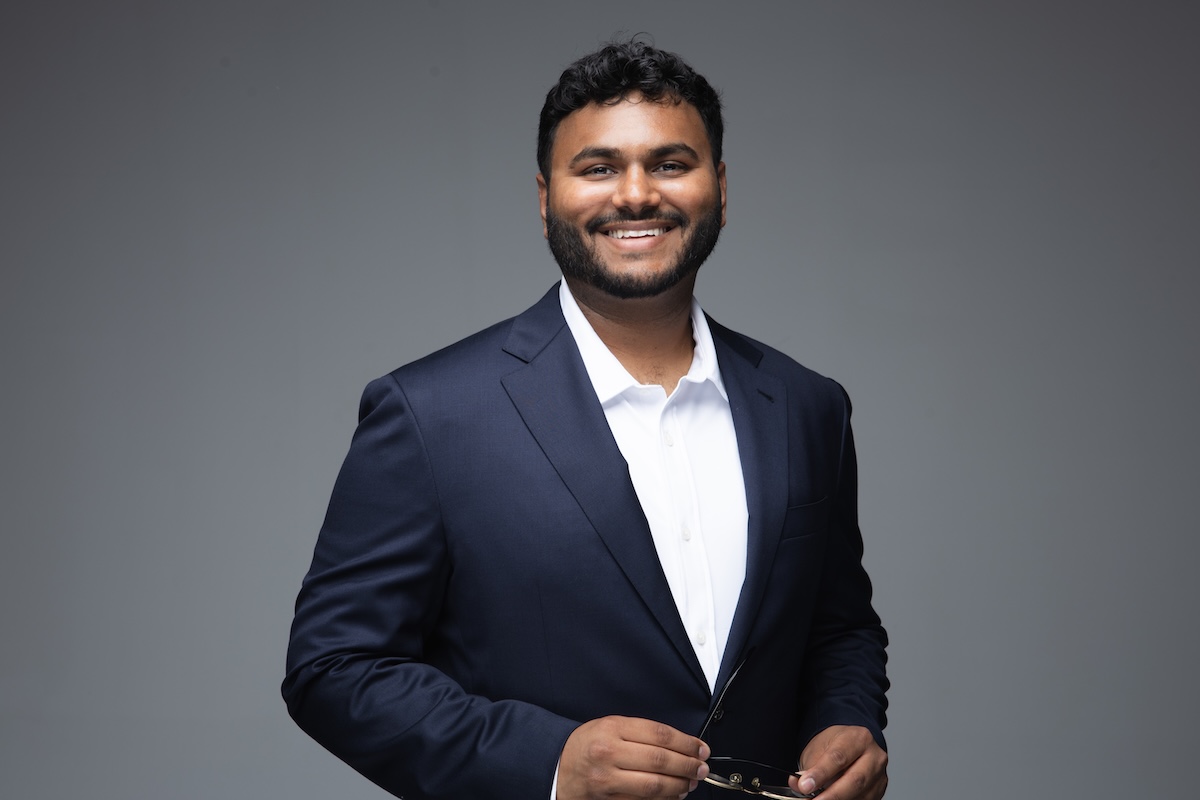
Yale undergraduate, Shaurya Sharma, kept running into this problem during an M&A internship, where he worked on deals for private healthcare groups. "Admin overhead was eating away at practice profit margins and a lot of these smaller practices were closing and selling for pennies on the dollar” he shared with frustration.
Every medical office deals with insurance paperwork but for a small private practice a stack of rejected claims decides whether the doors stay open.
Two founders who argued their way into a company
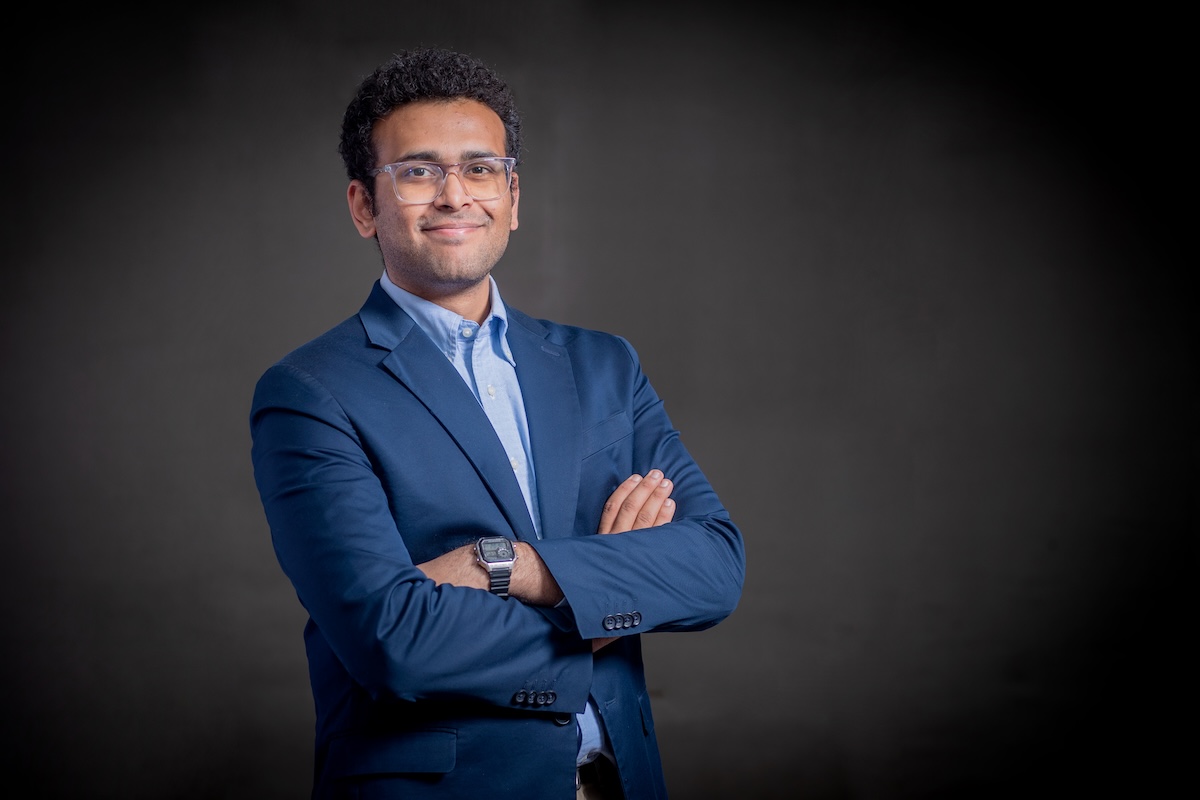
Shaurya's co-founder, Atreya Manaswi, didn't need an internship to see the problem. His dad runs a clinic, and calls with insurance companies and fights over reimbursement were dinner-table conversation. The two met at Yale's admit weekend and ended up one entryway apart in the same residential college. Both had built things before. Atreya spent six years, from middle school through high school, on BeetleGuard AI, a 3D-printed trap that lures a pest out of beehives. It was deployed in 80 commercial hives with the University of Florida and the USDA. Shaurya and his cousin started a record label, Action Records, that grew to 22 artists and about a million streams.
Early on, they agreed that a startup together would be "the worst idea." Then Shaurya had roommate trouble and moved onto an air mattress in Atreya's single, and the week before spring break they started arguing about it anyway. Shaurya suggested Atreya could just run a clinic someday. Atreya told him it was a lot harder than he thought. To settle it, they Googled reimbursement and collection rates, then got on a call with clinic staff and asked them directly. "We were just like, wow, this is like a huge issue," Atreya said.
What they found were small, preventable leaks. One of the clinics they now work with uses an electronic medical records system whose intake form, they said, barely works. The QR codes are buggy and the pages don't load, so patients end up using paper forms anyway. Claims frequently get rejected because an older patient wrote a middle name that isn't on their insurance card, or because a snowbird listed an address from another state.
How Auxo Health works
Auxo Health is the system Shaurya and Atreya are building to solve this problem. They call it "the agent-native operating system for a musculoskeletal private practice," meant to cover everything from the minute a patient walks in until a claim is paid. For now the focus is billing, because that's where they can show a practice immediate ROI in saved time and money.
Like all smart founders, they have a big vision but start with small, tangible wins. The first fix was to address basic form filling errors. Their new UX shows patients a picture of what exactly to do: flip the insurance card over and copy the exact name and address, circled in red. The form works in Spanish, and the front desk now gets the right information. But the bigger victory is in addressing billing codes and reimbursements.
Billers get a copilot that suggests codes and modifiers, like whether a knee brace needs a modifier or how to bill an injection. And clinic workers are loving it, in fact they want more automation. As the founders tell it, their users are asking, "at what point can we sort of use this to just click it and then it does it and submits the claim for us?" Their answer for now is a responsible one prioritizes compliance and security and firms keeps humans in the loop.
Where it is today
Auxo is running in three musculoskeletal clinics and onboarding a fourth in Northern California. A recent survey also brought in more letters of intent. Staff reactions have been strong. "When we present them with some of these initial tools, it sort of blows their mind," the founders said.
Demand isn't the issue. Keeping up with it is. "A 2-person team cannot make a product at the scale that's needed to grow for 10 clinics in a month," they said. Small clinics buy quickly since only an administrator has to sign off, so a waitlist can go cold fast. In the meantime, the founders are offering early customers grandfathered rates.
What's next
The next step is moving from supervised pilots to software that runs on its own inside a practice. This requires real HIPAA compliance and the team is currently building up their legal board of advisors to help them move forward faster. .
They plan to stay in musculoskeletal for now. Insurers already treat it as its own category and there's plenty of money in it. "General softwares just haven't been really working as much as people think," they said. The goal, in their words, is "to help every musculoskeletal private practice in the nation just keep the money."
Two founders who once called a startup together "the worst idea" now have more clinics interested than they can take on. Shaurya and Atreya are looking for engineers and funding, so the software can keep taking on the paperwork while billers stay in charge of the decisions.
Auxo Health is a finalist in the 2026 Kevin Xu Innovation Challenge, part of the Rhodes Forum on Technology & Society.
Written by


More articles












Newsroom
From Minister of Information to the UN: Aicha Thiendella Fall’s journey into global security




















Newsroom
Otieno Collins Junior Reflects on His Journey from Capstone Project to Prize-winning Startup




Newsroom
No Innovator Left Behind: How Equitech Futures uses philanthropic capital to maximize impact


Newsroom


