Newsroom
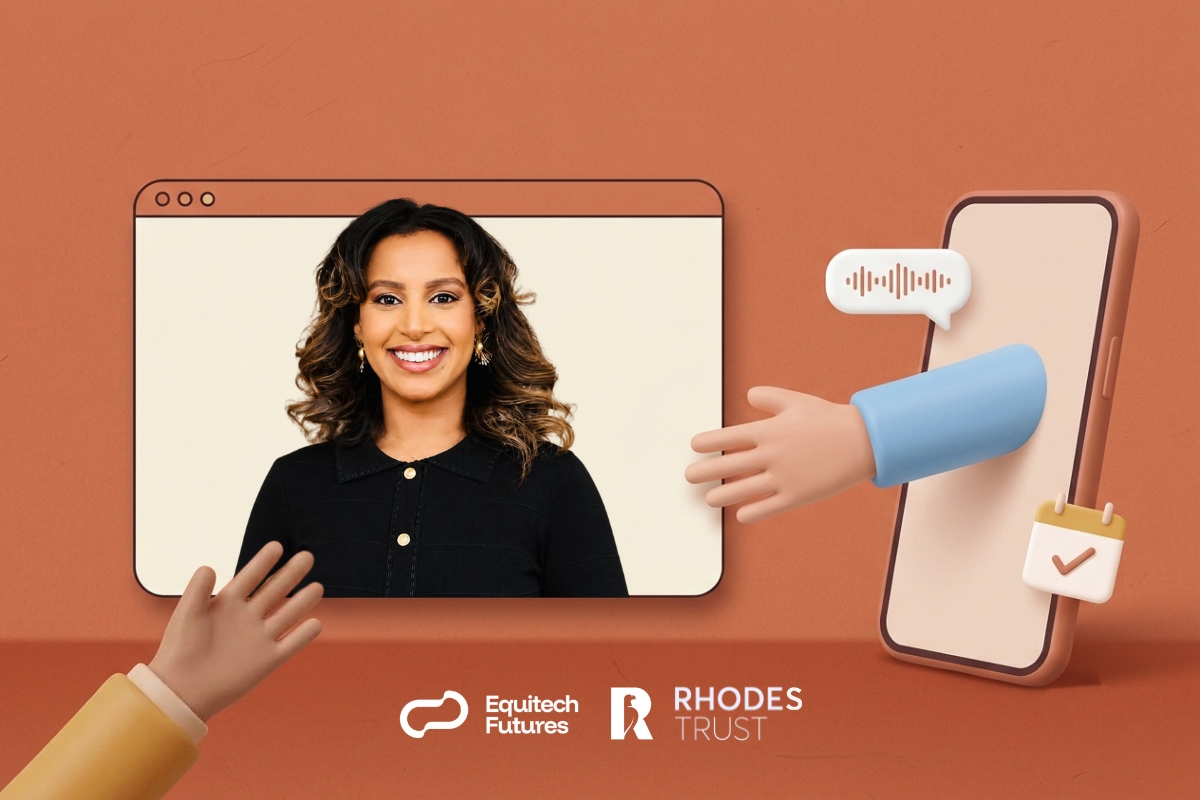
Lend a Hand wants to make help from a neighbor something you can book
Oct 27, 2026
5 min read
This piece is part of a series on the finalists of the 2026 Kevin Xu Innovation Challenge. This year’s challenge asked applicants: as AI becomes more embedded in everyday life, how do we ensure it strengthens the capacities that make us most human rather than eroding them?
“If I had someone to bring me to the hospital, I could have come earlier.”
As a doctor working in antenatal care in Addis Ababa, Melikte Weldetensaye heard some version of this from patients far too often. Most of her patients did have someone, a neighbor or a sister, but scheduling was unpredictable, and appointment times often conflicted with the friendly neighborhood helper’s schedule. The logistics of getting medical care frustrate many people, but for people with disabilities, getting to an appointment, navigating paperwork, or picking up medications can be the difference between getting care and going without.
A doctor who kept noticing who didn’t make it
Melikte is the kind of doctor we all want for those we love. She is thoughtful, takes the time to listen, and goes above and beyond to care for her patients. During clinical rotations she kept a running list in her head that had nothing to do with her exams: who doesn’t have family here, who came from outside the city, who showed up too late, who doesn’t understand their diagnosis. She saw mothers come in from outside the city to give birth with no family around them. For about half of her clinical immersion, she brought homemade food to the hospital for patients who needed it. In medical school, she spent her breaks volunteering to read exam questions aloud so that blind students at the university could complete their exams. She eventually recruited friends to join her.
After graduation, Melikte’s commitment to helping people with disabilities continued, and her founder journey began. She sold her parents’ house to start a nonprofit, Zuzu for Health and Education, named for her mother and her aunt Zufan, who raised her. Most of the team are physicians, and Zuzu works on women’s health and disability: maternity care for blind women, reproductive health and HIV screening, audio health content, and sign language videos for deaf communities.
At Zuzu, Melikte had a front-row seat to the problems disabled Ethiopians face every day. Braille books are expensive because the paper is imported. Roads are hard to get around. Blind and deaf customers sometimes can’t access their own bank accounts because staff don’t recognize their agency. Melikte is clear that the real fix is infrastructure: ramps, interpreters, Braille, and AI sign language tools for low-resource languages like the ones spoken in Ethiopia. But she also saw that people-powered community support can make an immediate difference now. At Zuzu, a network of volunteers helps disabled people with daily tasks like getting to doctor’s appointments or job interviews. “The goodwill exists, and culturally, there is a collective existence,” she said. The help just happens in fragmented, unstructured ways, usually over the phone.
How Lend a Hand works
Lend a Hand is the structure Melikte is building to solve this problem. The platform is a free app that connects people with disabilities with vetted, trained volunteers for on-demand, one-off tasks, with AI handling the matching. That could be a ride to an antenatal appointment or help at the bank. It could also be someone to walk with you through a market in a city you just moved to.
Every volunteer gets a background check, and every volunteer gets training in how to talk with people with disabilities. Melikte cares about the training as much as the check. “We don’t want you to be talked to in a language that you don’t appreciate, or referred to in a way that you do not refer to yourself,” she said.
The app also fixes a problem on the volunteer side. People volunteer constantly in Ethiopia and across East Africa, Melikte said, but usually through a school or nonprofit program. “If you want to volunteer on a Thursday afternoon, it’s not easy. You have to schedule it in 2 weeks.” Volunteers also value certificates that recognize their good deeds, so Lend a Hand gives them a Hero Board to track what they’ve done and share it with friends. She doesn’t like calling that gamification. “It’s like Strava for goodwill.”
Where it is today
Lend a Hand is in a small, controlled pilot, starting with volunteers Zuzu has already trained. When we spoke, it had helped about 30 people, and the team was collecting feedback and testing again between rounds.
Volunteers are, in Melikte’s words, “very psyched.” Users have practical questions. Will voice-to-text work in a noisy market, or only in a quiet room? Will people show up for me? So far they have. “From our record, people usually show up,” she said. “Even when they did not show up in the past, we were able to mitigate.” Nobody has asked about background checks yet. People already get help from others every day, so trust isn’t the hard part. Arranging it is.
What’s next
The plan is to scale from Zuzu’s existing, trained volunteers outward, and Melikte expects technology to handle the parts that are hard to do by hand, like timely confirmation and tracking. “If we could have done it manually, I think it’s going to be better with technology,” she said. Interest is already coming from farther afield: when she described Lend a Hand to people in the US, some asked her to bring it to their organizations. For now, she said, “it’s not built for this side of the world yet.”
She also sees the app as one piece of a larger effort. Alongside it, the team plans conversations on social media and work in education aimed at changing how people with disabilities are seen and treated, including at work.
Ramps, interpreters, and Braille will take years to arrive but the neighbor willing to drive someone to an antenatal appointment is already here. In Lend a Hand, the technology empowers the people that make these community forms of care work. If it works, fewer of Melikte’s patients will have to say they could have come earlier.
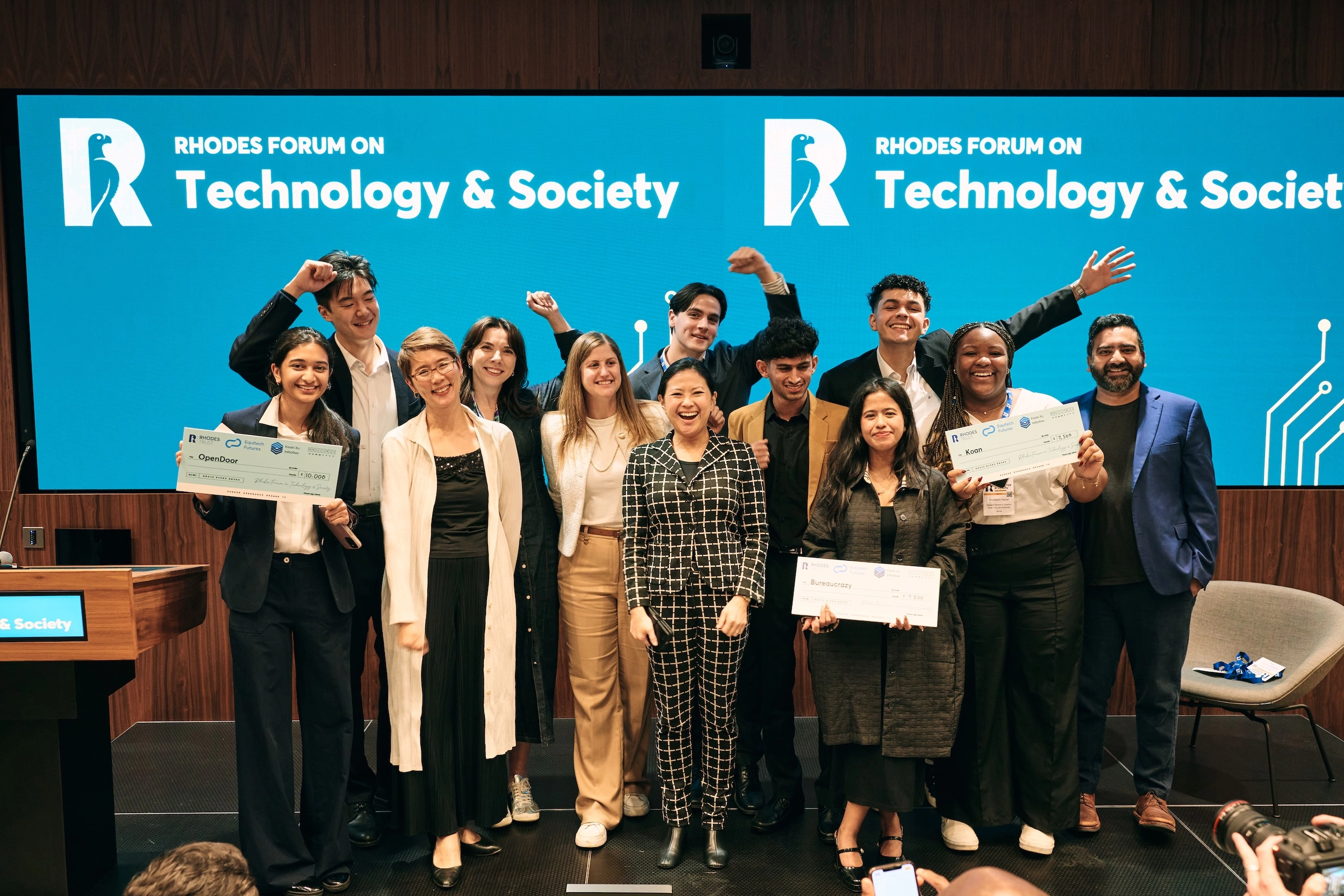
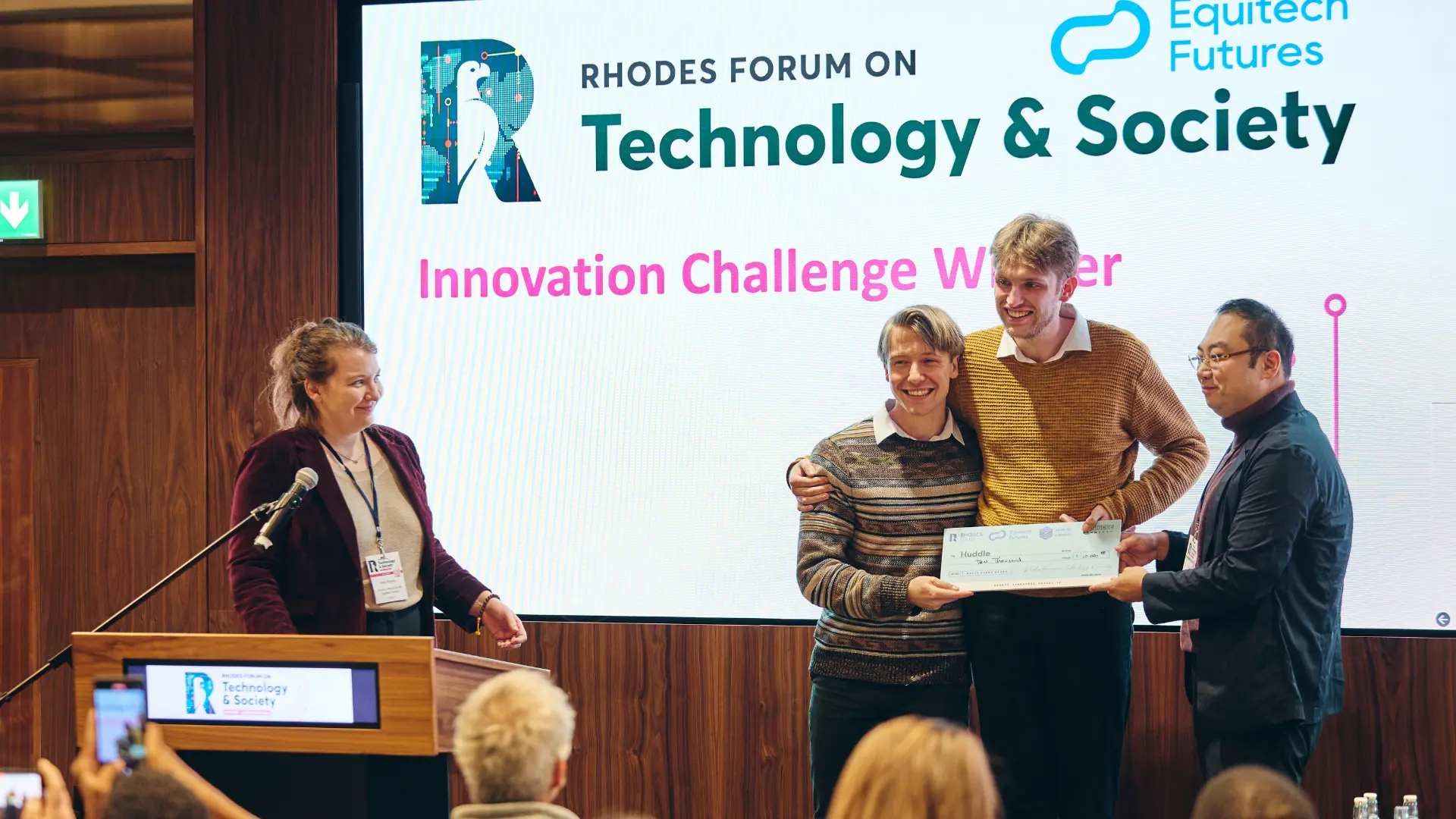
Lend a Hand is a finalist in the 2026 Kevin Xu Innovation Challenge, part of the Rhodes Forum on Technology & Society.
Written by


More articles

Newsroom
From Minister of Information to the UN: Aicha Thiendella Fall’s journey into global security






Newsroom
Otieno Collins Junior Reflects on His Journey from Capstone Project to Prize-winning Startup




Newsroom
No Innovator Left Behind: How Equitech Futures uses philanthropic capital to maximize impact


Newsroom


