Newsroom
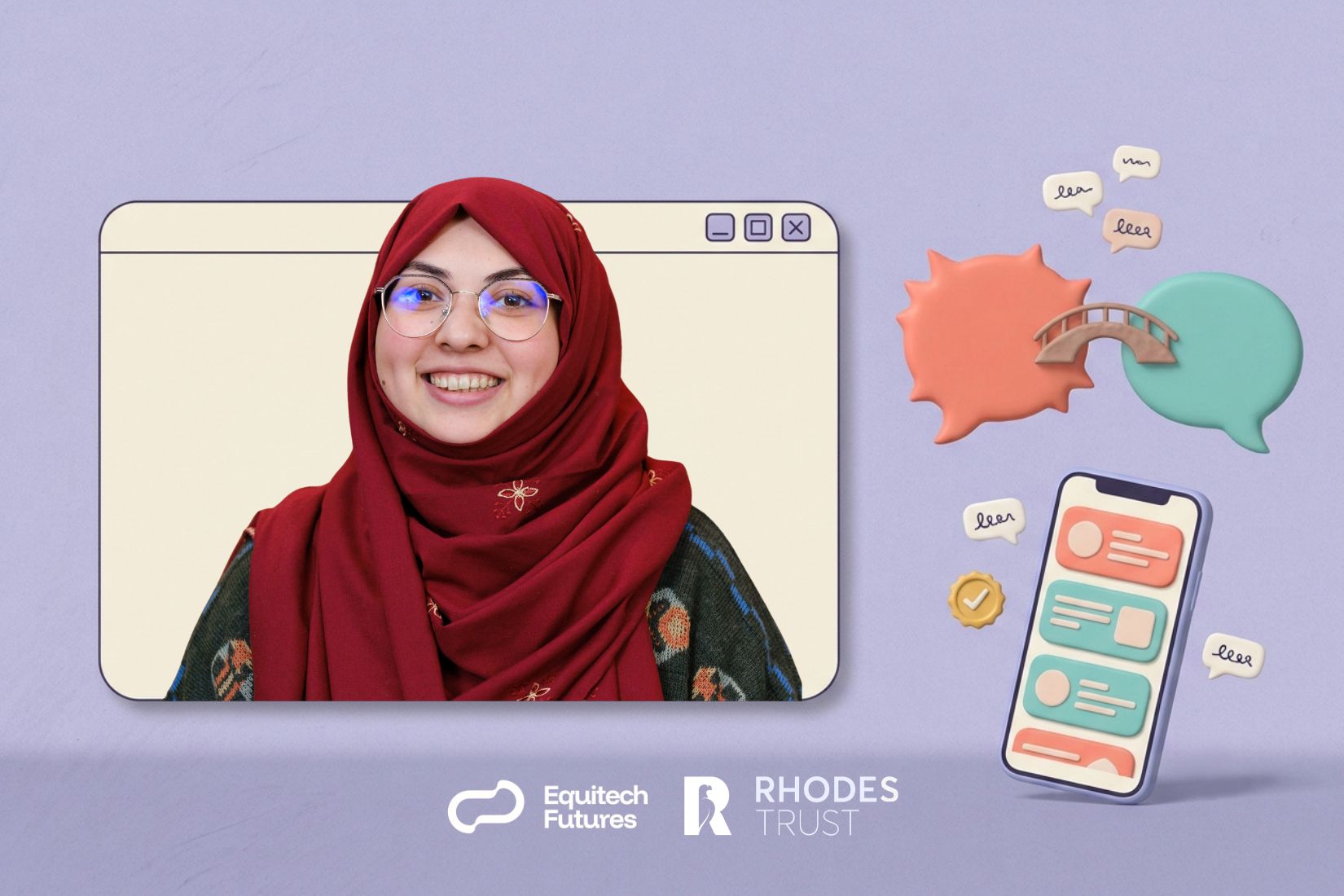
Teaching people, and algorithms, to disagree well
Nov 3, 2026
5 min read
This piece is part of a series on the finalists of the 2026 Kevin Xu Innovation Challenge. This year's challenge asked applicants: as AI becomes more embedded in everyday life, how do we ensure it strengthens the capacities that make us most human rather than eroding them?
When was the last time someone told you that you were wrong and you answered, “oh wow, thank you so much, this wisdom was completely missing from my life and now I feel complete”?
Hameeda Syed likes to ask people that question. Almost never, they said. When we disagree, the brain reacts much the way it does to a physical threat. Online, that reaction gets rewarded, and the posts that make us angriest are the ones feeds push hardest.
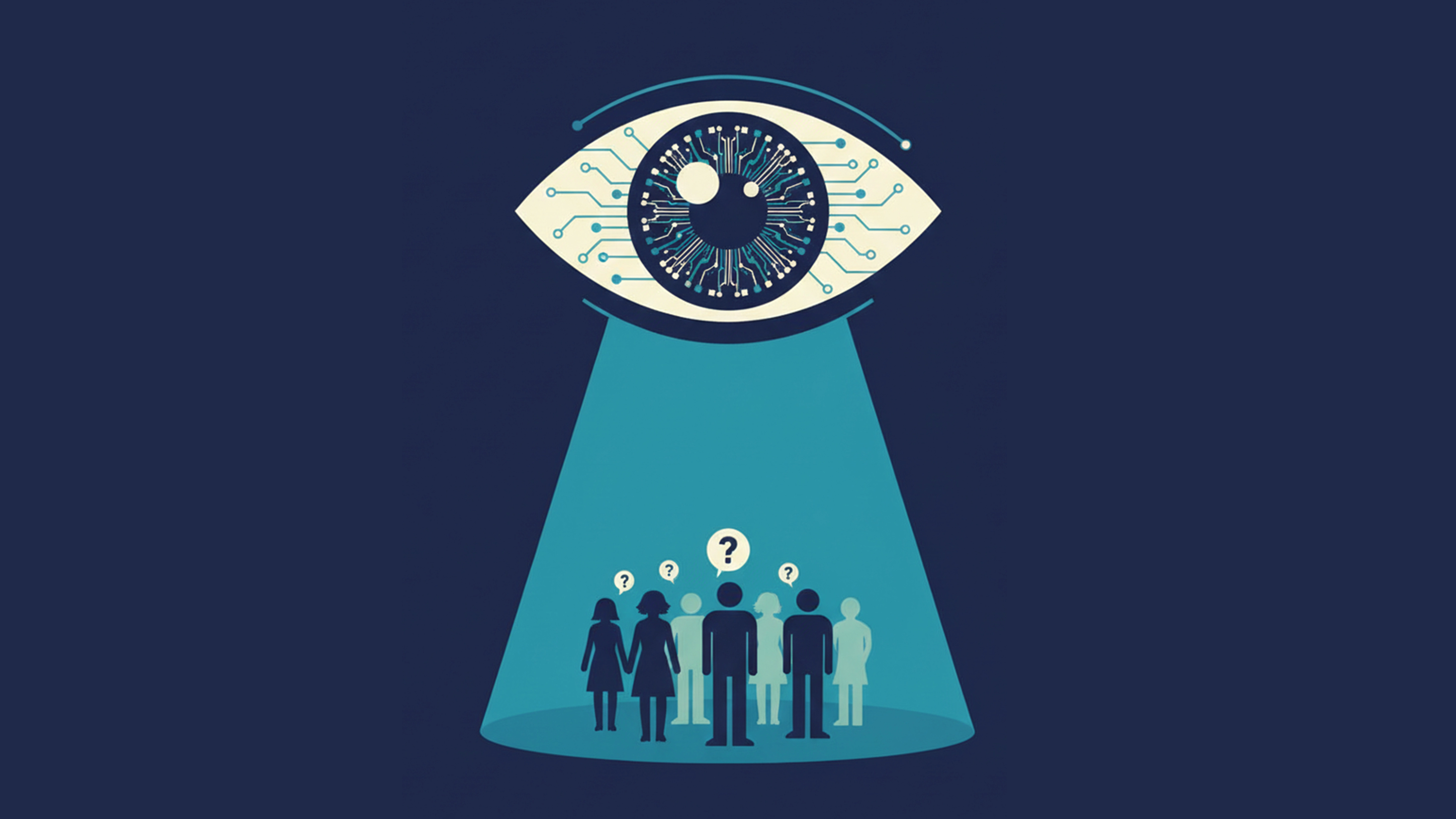
Anyone who has spent time on social media in the past 10 years is familiar with this phenomenon, and AI is poised to supercharge this polarization. To date, there haven’t been many great interventions against the divisive algorithms besides abstinence, but Together for Tomorrow has a bigger, people-powered vision to help people disagree better online and off.
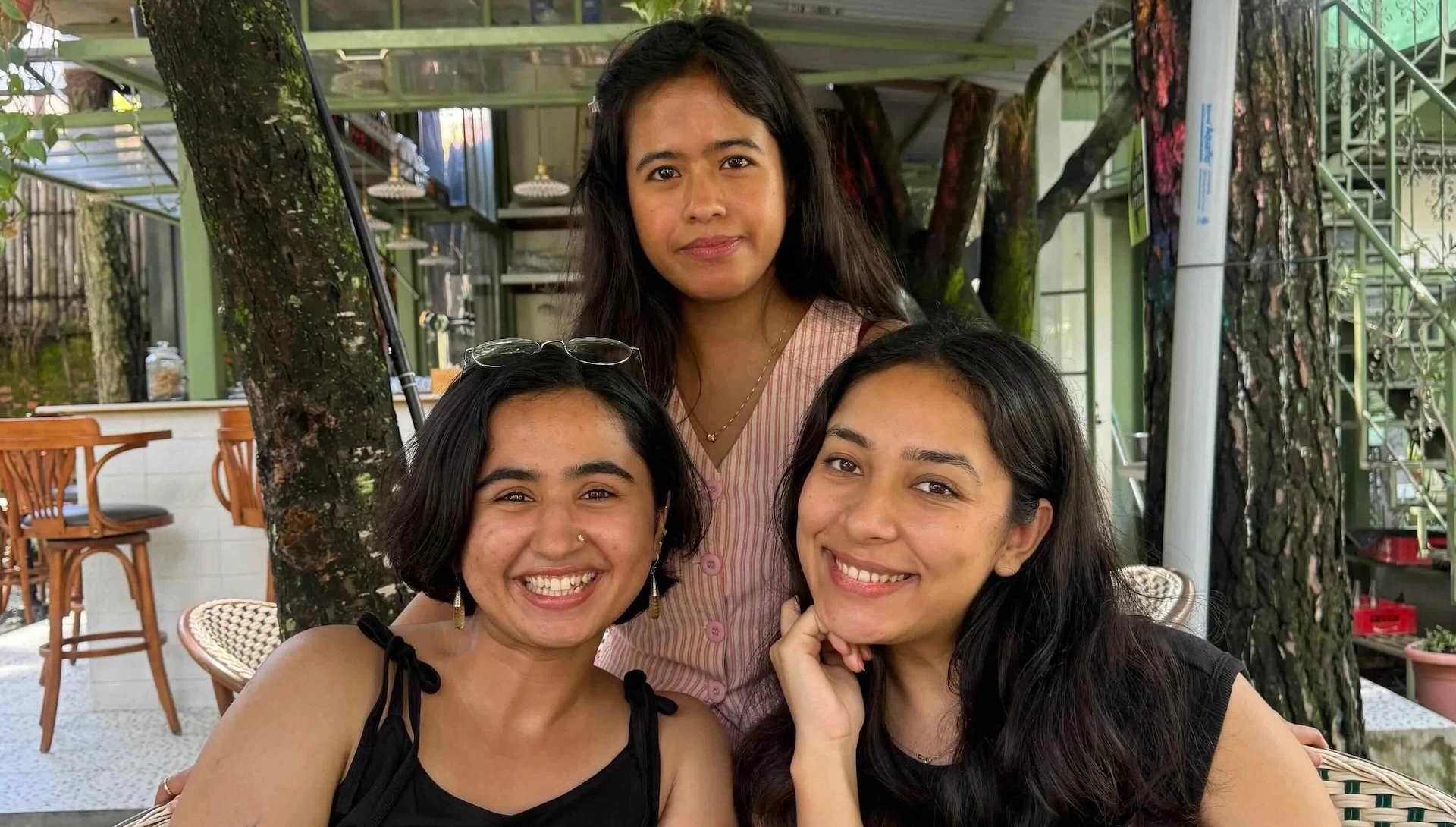
Three founders who know the problem firsthand
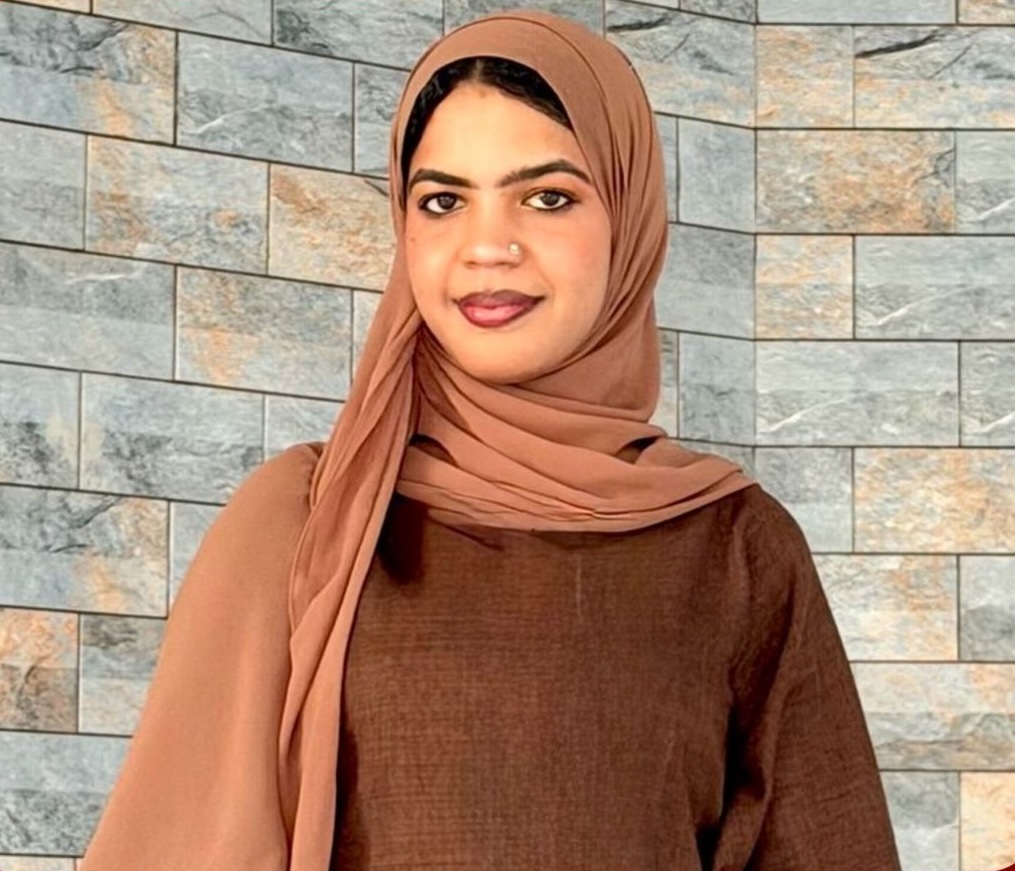
Syed describes themself as “a Shia, hijabi, non-binary Muslim journalist from Kashmir,” which means they constantly meet people who disagree with who they are. They deal with regular harassment online, so they know how a sincere statement can land. “I might be just talking about my belief, but to you it may seem like I’ve put a knife in front of you,” Syed said.
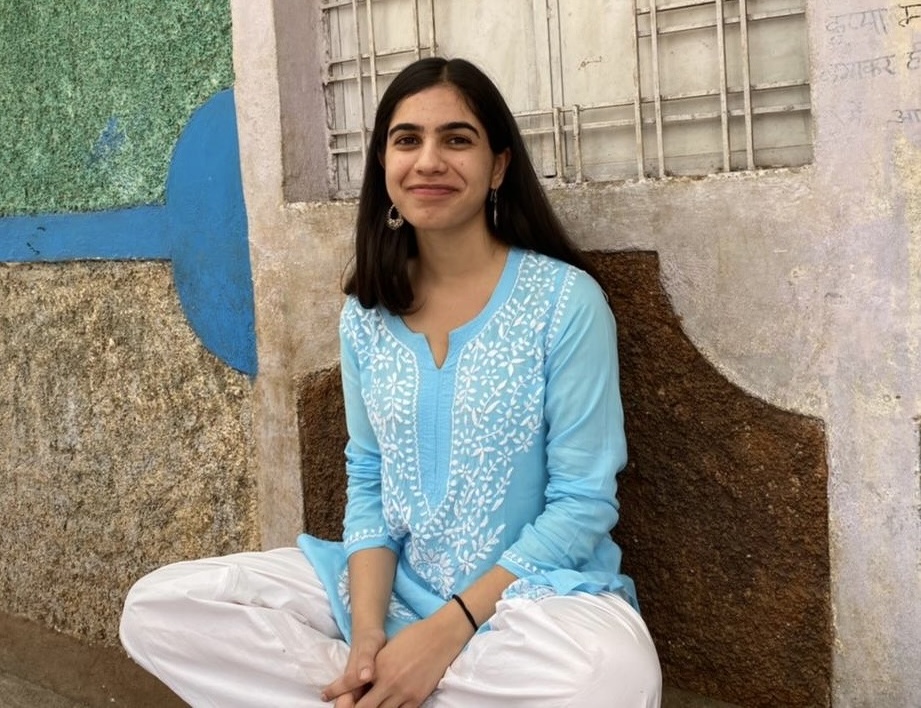
Dridhata Silwal grew up in Kathmandu in a family that helped lead the movement against Nepal’s autocratic government.. Now the divide in Nepal runs between Gen Z activists and older politicians, and that includes her parents. “Right now it’s very difficult to talk to them,” she said, “because they see me as an opponent.”
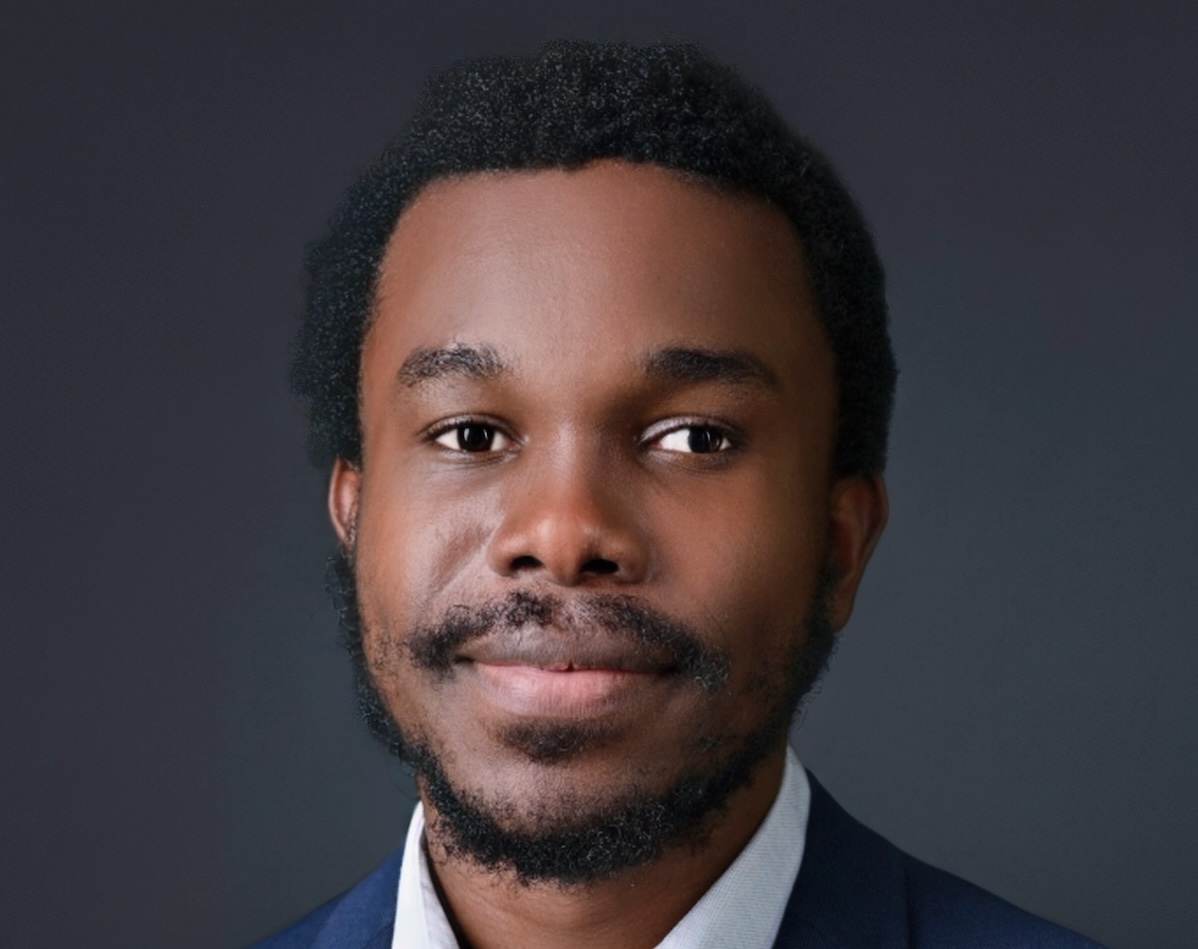
Himanshu Panday grew up at “this weird intersection of poverty and violence.” Half his family has been in prison. “We grew up with difficult conversations for which violence was the only tool,” he said. For him, the cost of having no good way to disagree is a family story.
The three met in a program on countering online hate, where most of the talk was about protecting individuals. They kept coming back to a different question: what happens when someone meets a person from a completely different world online, with no practice handling difference “apart from bullying each other as kids,” as Syed put it?
They didn’t start out agreeing with each other, either. One of Panday’s first conversations with Syed was a hard argument about violent extremism. “But I think even that conversation, there was a certain amount of grace that we could afford each other,” he said. He calls that grace a hard-earned practice. If systems can make people violent, he believes, systems can be built to push them the other way, and that belief shapes what the team builds. The question they landed on was whether the practice could be taught. “Can we make sure a million people can learn this?”
Measuring what a good conversation looks like
Together for Tomorrow, a project under the nonprofit Dignity in Difference, is both a training platform and an AI model. The work starts from research in neuroscience, computational linguistics, behavioral science and positive psychology, which points to qualities the team calls bridging attributes. Nuance and reasoning are two of them. When people use them, conversations across political lines tend to go better.
The team built datasets of good and not-good-enough conversations and extended them synthetically to around 2 million rows. Then they trained classifiers that spot bridging attributes in real time without much computing cost. According to Panday, until now there was one bridging model, built by Google Jigsaw with a million-dollar budget, and it only worked in English. As a small non-profit, the Together for Tomorrow team has managed to make their model available in 1,800+ languages – an obvious win in a global internet environment.
The model has two jobs, and the first is the feed. A feed tuned to bridging attributes would still show posts from every side but would reward connective engagement, not rage bait. When asked about how to convince social media companies to adopt alternative algorithms, the team points to inbound inquiries from three social media companies who are eager to know more. Early tests from the team have shown that bridging feeds can be just as engaging as toxic ones.
The second job is training. On the platform, people learn the science behind bridging attributes, practice in simulations and get scored. At a certain level they’re certified, and they can keep coming back to test campaigns and messages to see how people across the spectrum react. The team spent more than two years designing it with grassroots activists. “Mere reflections or knowledge is not half the problem here,” Panday said. “It’s the practice.” The design follows that view: the science is where a learner starts, and the simulations and scoring are where the skill gets built.
From pilot to practice
The team has already run four pilot versions of the platform globally and trained hundreds of people who want to practice disagreeing better. They’re building a simulation engine so people can rehearse a specific hard conversation, say with a parent, before having it. They’re also exploring a browser plugin that would let anyone switch their own feed to a bridging one. They’re a small team juggling other projects and are looking for tech people to help.
On the model side, they’re talking with Bluesky and other platforms built on the AT Protocol about using it to power feeds. If successful, the model could be used by over 40M users by January 2027.
The experience of being online in 2026 is often a frustrating and amazing experience of talking with and to billions of people simultaneously. This team’s evidence-backed theory is that change often starts one conversation at a time, person to person. Syed practices with their father, a deeply religious man who has struggled with them being queer. A lot of the time they just listen. “There are hours where I just listen to my father rant, and I choose not to respond,” they said. Over time he has softened.
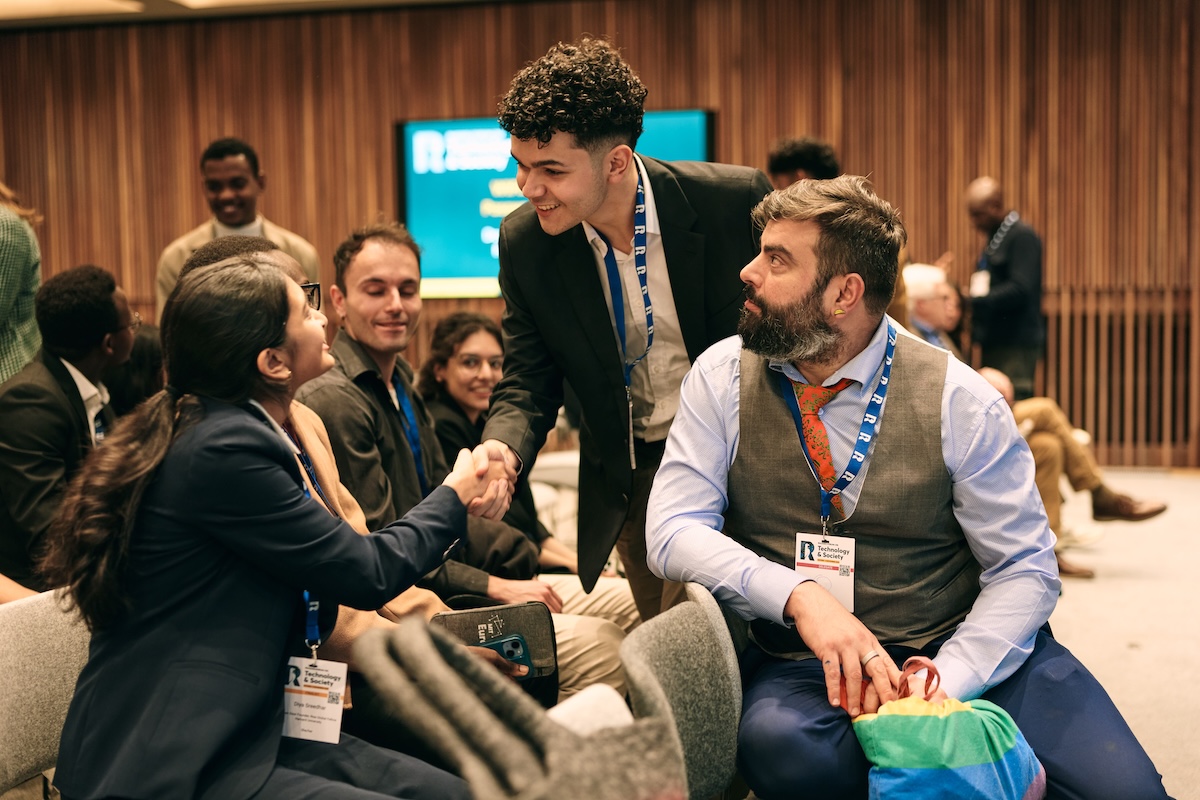
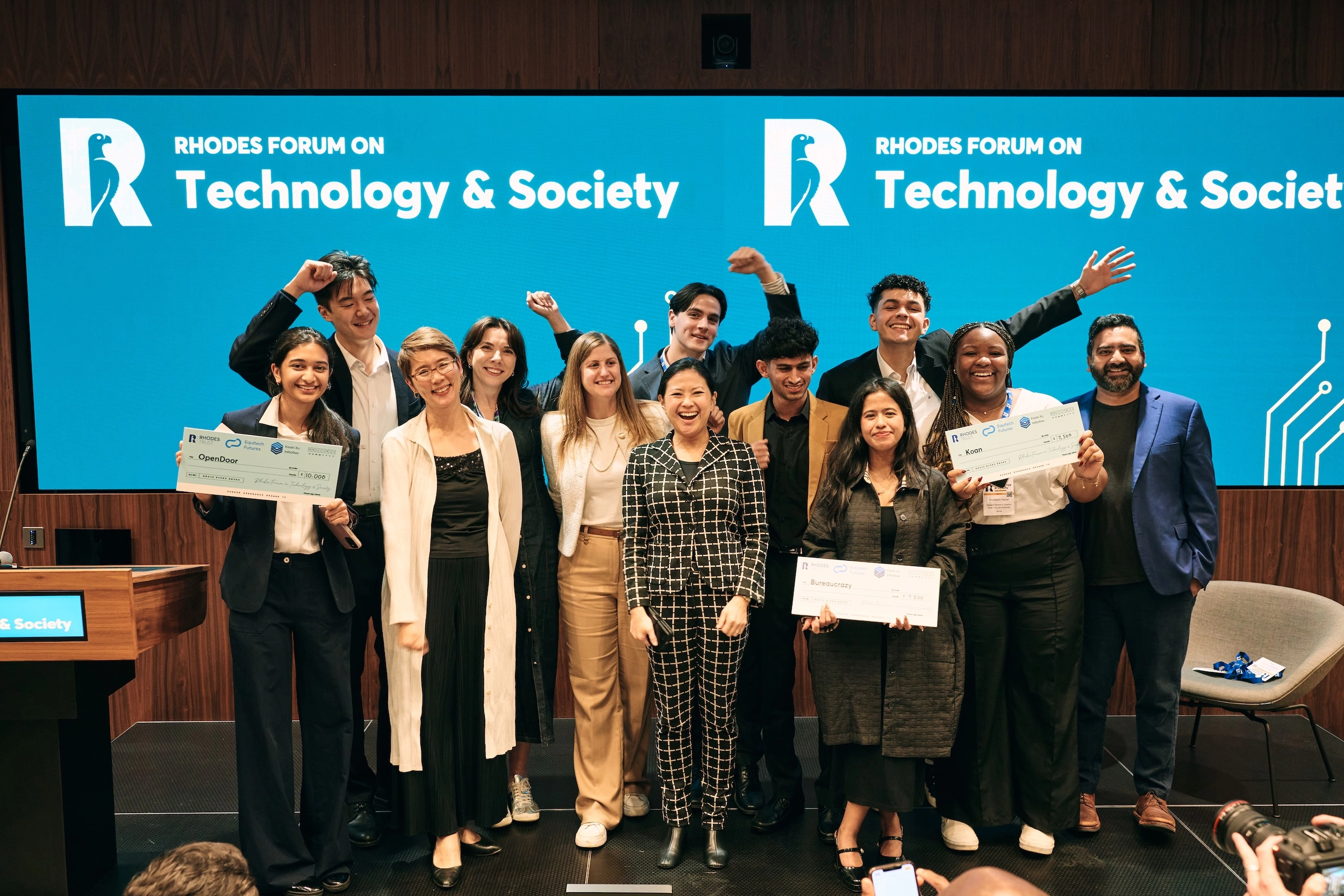
Together for Tomorrow is a finalist in the 2026 Kevin Xu Innovation Challenge, part of the Rhodes Forum on Technology & Society.
Written by


More articles



Newsroom
From Minister of Information to the UN: Aicha Thiendella Fall’s journey into global security










Newsroom
Otieno Collins Junior Reflects on His Journey from Capstone Project to Prize-winning Startup




Newsroom
No Innovator Left Behind: How Equitech Futures uses philanthropic capital to maximize impact


Newsroom


